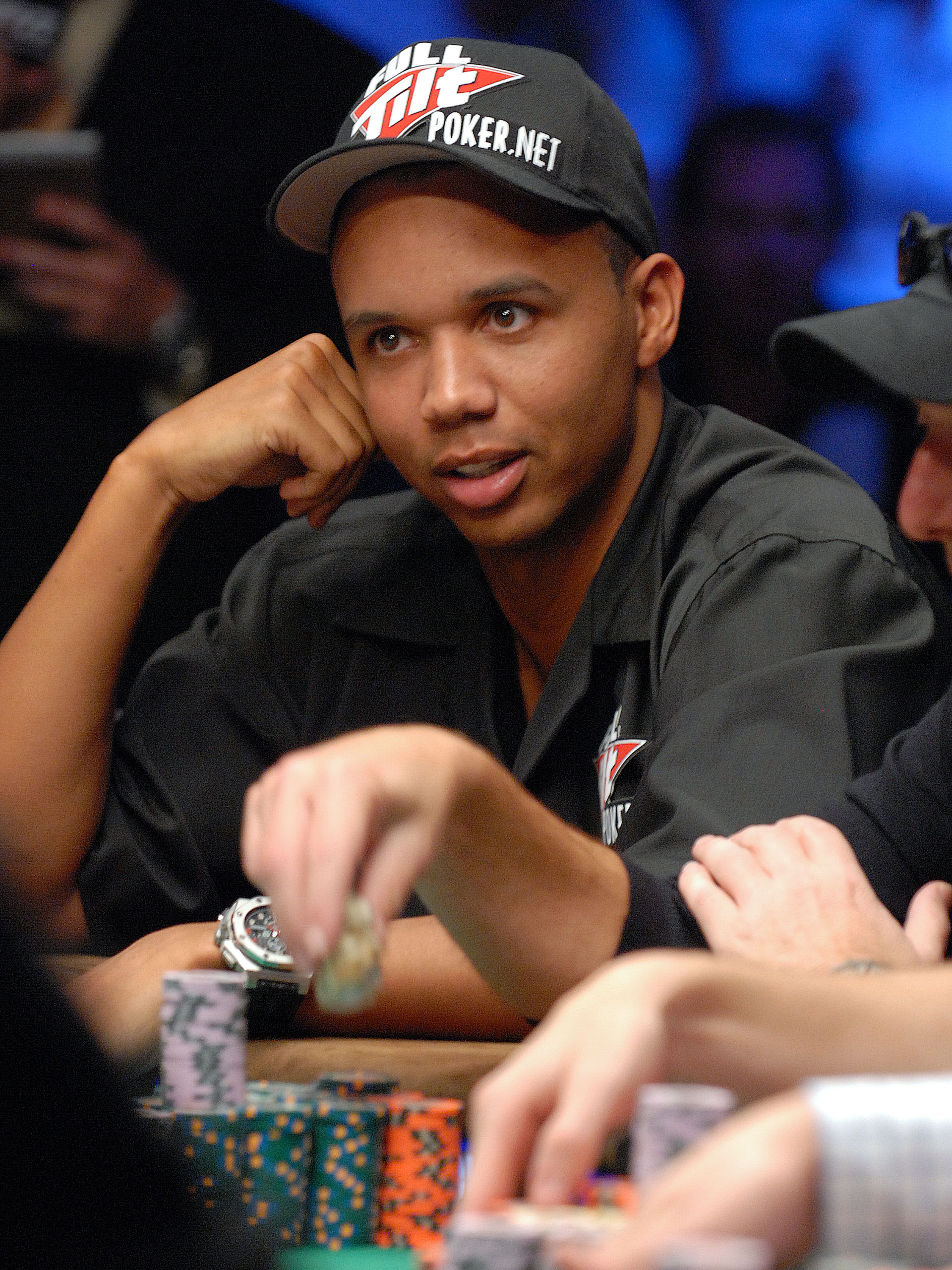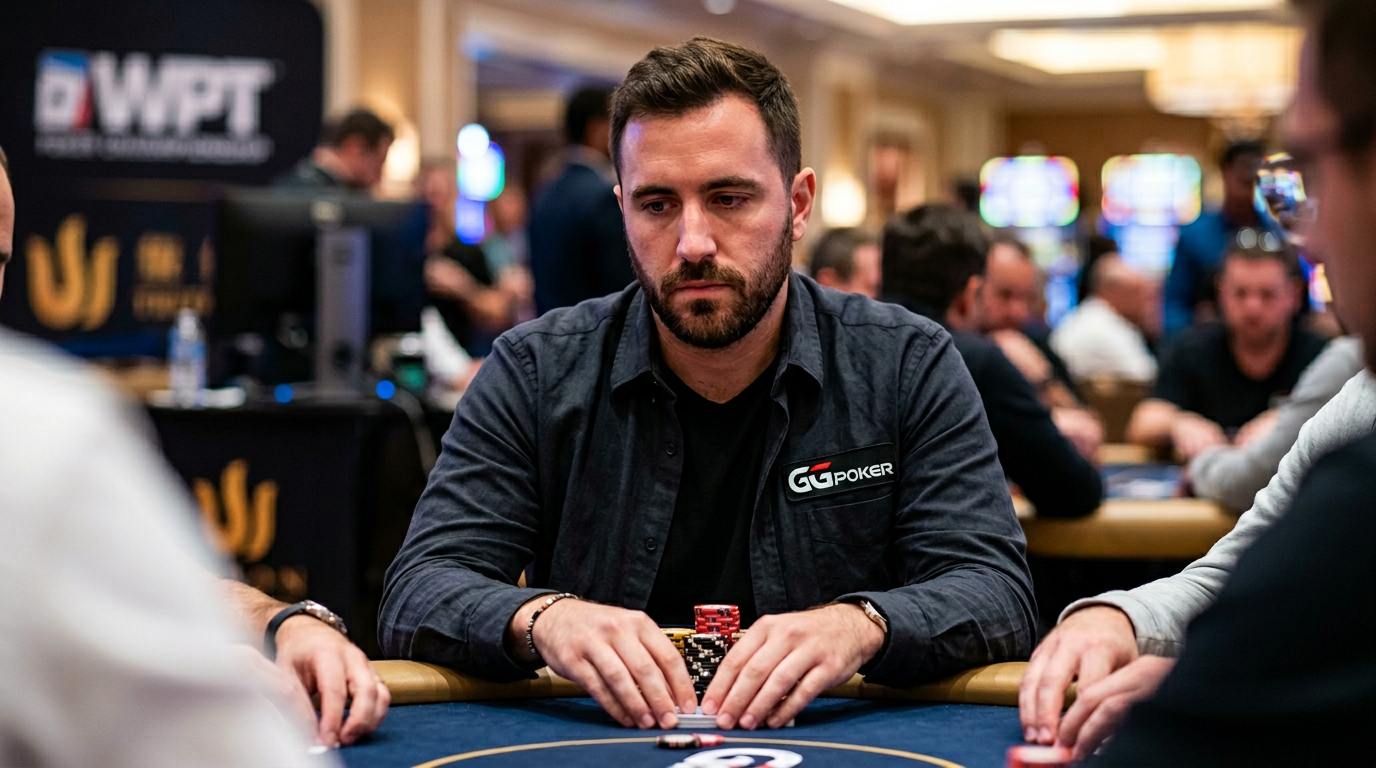
Fedor Holz
Germany
Fedor Holz took the poker world by storm with one of the most explosive rises in the history of the game. Between 2014 and 2016, the German prodigy went from relative unknown to the number-one ranked player on the Global Poker Index, accumulating over $32 million in live tournament earnings along the way. His story is one of raw talent amplified by disciplined study, a sophisticated understanding of game theory, and a mindset-first approach to competition that eventually led him to build an entire business empire around peak performance.
Early Life and Discovery of Poker
Fedor Holz was born on July 25, 1993, in Saarbrucken, a mid-sized city in southwestern Germany near the French border. He was an intellectually curious child who excelled academically but found himself drawn to competitive pursuits that offered more dynamic challenges than the traditional classroom. He discovered poker at the age of sixteen, initially playing small-stakes games online and studying the game with the kind of intensity that would later become his hallmark.
From the beginning, Holz approached poker differently than many of his peers. Rather than simply logging hands and learning by trial and error, he sought out structured study methods, joined strategy forums, and began building relationships with other serious young players in the European poker community. He treated the game as an intellectual discipline, not a gamble, and his rapid improvement reflected that commitment.
By his late teens, Holz was already competing in online tournaments with growing success. He built his bankroll methodically, reinvesting winnings into higher buy-in events and gradually expanding his range to include live tournaments. His early live results were promising but unremarkable - the kind of steady progression that suggested a competent professional rather than a future superstar. That changed dramatically in 2014.
The Meteoric Rise: 2014 to 2016
Holz’s breakout year was 2015, when he began posting major results at high-roller events across Europe and the Americas. His ability to navigate the toughest fields in poker - populated by seasoned professionals and wealthy recreational players - was immediately apparent. He combined a deep understanding of mathematics and game theory with an unusually calm demeanor under pressure, making him a formidable opponent in the late stages of tournaments where emotional control is often the deciding factor.
But 2016 was the year that transformed Holz from a rising star into a generational talent. Over the course of twelve remarkable months, he won more than $16 million in live tournament earnings - a figure that placed him among the most successful single-year performers in poker history. The centerpiece of that extraordinary run was his victory in the $111,111 High Roller for One Drop at the World Series of Poker, which netted him approximately $4.98 million and his first WSOP bracelet.
The One Drop win was significant not just for its monetary value but for what it represented. The event attracted a field of the best high-roller specialists in the world, and Holz navigated it with a level of poise that belied his age. At just twenty-two years old at the time, he was competing against and defeating players with decades more experience, relying on a playing style that blended mathematical precision with sharp situational awareness.
Holz added a second WSOP bracelet during this period, further establishing his credentials on poker’s grandest stage. He also posted major results at World Poker Tour events and various European high-roller series, building a resume that was remarkable for both its consistency and its peak performances. By the end of 2016, he had ascended to the number-one spot on the Global Poker Index, officially recognized as the top-ranked tournament player in the world.
Playing Style and Strategic Philosophy
Holz’s approach to poker is rooted in a deep understanding of ICM - the Independent Chip Model that dictates optimal strategy in tournament settings, particularly at final tables and near pay jumps. His mastery of position play and his ability to calculate equity in complex multi-way situations gave him a significant edge over opponents who relied more on intuition or pattern recognition.
What set Holz apart from other mathematically inclined players was his ability to synthesize theoretical knowledge with practical table feel. He could calculate pot odds and expected value with precision, but he also possessed a keen awareness of his opponents’ tendencies, emotional states, and likely responses to pressure. This combination made him extremely difficult to play against, as opponents could never be sure whether he was making a calculated value bet or executing a precisely calibrated bluff.
His approach to preparation was equally distinctive. Holz was an early adopter of solver-based study methods, using software tools to analyze complex decision trees and identify optimal strategies for various tournament scenarios. He combined this technical work with extensive mental preparation, developing routines for managing stress, maintaining focus, and performing at peak levels during long tournament sessions.
Retirement, Return, and Selective Competition
In 2017, Holz made the surprising announcement that he would be stepping back from full-time tournament play. He was just twenty-three years old and at the absolute peak of his competitive career, but he explained that he wanted to explore other interests and felt that he had achieved what he set out to accomplish in poker. The announcement generated significant attention in the poker community, where early retirement from such a young and dominant player was virtually unprecedented.
True to his word, Holz dramatically reduced his tournament schedule, appearing only in selective high-roller events rather than maintaining the grueling circuit travel that had characterized his peak years. He continued to post impressive results when he did compete, demonstrating that his skills had not diminished, but his primary focus had shifted decisively toward business and personal development.
In more recent years, Holz has returned to competition somewhat more frequently, entering major events such as the WSOP 2026 and select Triton and Super High Roller Bowl events. Each appearance generates excitement among fans and fellow players, who recognize that even a part-time Holz remains one of the most dangerous competitors in any field.
Primed Mind and Business Ventures
Holz’s post-poker career has been defined by his passion for performance coaching and mindset development. He co-founded Primed Mind, a mental performance app that offers guided sessions designed to help users achieve peak performance in various areas of life, from athletic competition to business and personal goals. The app drew on Holz’s own experiences using mental preparation techniques to elevate his poker performance and extended those principles to a broader audience.
The Primed Group, the parent company behind Primed Mind, expanded Holz’s vision into a broader platform for personal development. The venture reflected his belief that the mental skills required for poker success - focus, emotional regulation, decision-making under uncertainty - were transferable to virtually any competitive or professional endeavor.
Holz also co-founded Pokercode, an online poker training platform designed to provide aspiring players with structured curricula, coaching from elite professionals, and community support. Pokercode represented Holz’s commitment to giving back to the poker community that had launched his career, offering the kind of systematic training approach that he himself had benefited from during his formative years as a player.
Impact on German and European Poker
Holz’s success had a profound impact on the German poker scene and on European poker more broadly. He became the most visible representative of a new generation of German poker talent - players who combined rigorous academic training with sophisticated strategic approaches to become dominant forces on the international circuit. His achievements inspired many young Europeans to pursue poker seriously, contributing to the growth of the game across the continent.
Germany had produced successful poker players before Holz, but none had achieved the kind of rapid, visible dominance that he demonstrated during his peak years. His GPI number-one ranking, his WSOP bracelets, and his willingness to compete at the very highest buy-in levels put German poker on the global map in a way that resonated well beyond the existing poker community.
Legacy and Philosophy
Fedor Holz’s legacy in poker extends beyond his impressive results and rankings. He helped pioneer an approach to the game that emphasized holistic preparation - combining technical study with mental training, physical health, and a balanced lifestyle. His willingness to step away from full-time competition at the height of his powers challenged conventional assumptions about what a poker career should look like, and his successful transition to business demonstrated that the skills developed at the poker table could be applied far more broadly.
For players looking to develop the kind of well-rounded approach that defined Holz’s career, exploring foundational concepts like position play strategy is an excellent starting point. And for those who want to see how Holz and his peers stack up in the current competitive landscape, our player rankings provide the latest standings.
Whether he continues to compete selectively or eventually steps away from the tournament circuit entirely, Fedor Holz has already secured his place as one of the most remarkable talents the game has ever produced - a player whose impact was measured not only in dollars won but in the broader transformation of how professionals approach competition itself.