
The Axe Falls in Augusta
A buddy of mine from Portland texted me at 2 AM last Tuesday: “Did you see what they just did? They killed Clubs and Stake in Maine.” I was half-asleep, thought he was joking. He wasn’t.
Maine’s legislature had just passed emergency legislation banning sweepstakes poker sites - the same week they’re pushing bills to legalize real money online gambling. If that sounds backwards to you, join the club. The sweepstakes ban takes effect immediately, giving players until May 1st to cash out their balances from sites like Stake.us, Global Poker, and ClubWPT Gold.
Here’s where it gets weird. The same legislators who voted to ban these free-to-play sites are championing LD 1388, a full online gambling bill that would bring PokerStars, BetMGM, and the whole gang to Maine. It’s like banning beer while trying to open a whiskey distillery.
Players Left Scrambling
I’ve been getting messages all week from Maine players who are absolutely livid. One regular from Bangor told me he’d been grinding on Global Poker for three years, building a modest bankroll from freerolls and small-stakes games. “This is the only poker I have access to,” he said. “The nearest card room is in New Hampshire, two hours away.”
The timing couldn’t be worse. Spring is when casual players typically ramp up their online play - tax refunds hit, weather’s still iffy for outdoor activities. Now thousands of Maine poker fans are getting locked out of their accounts.
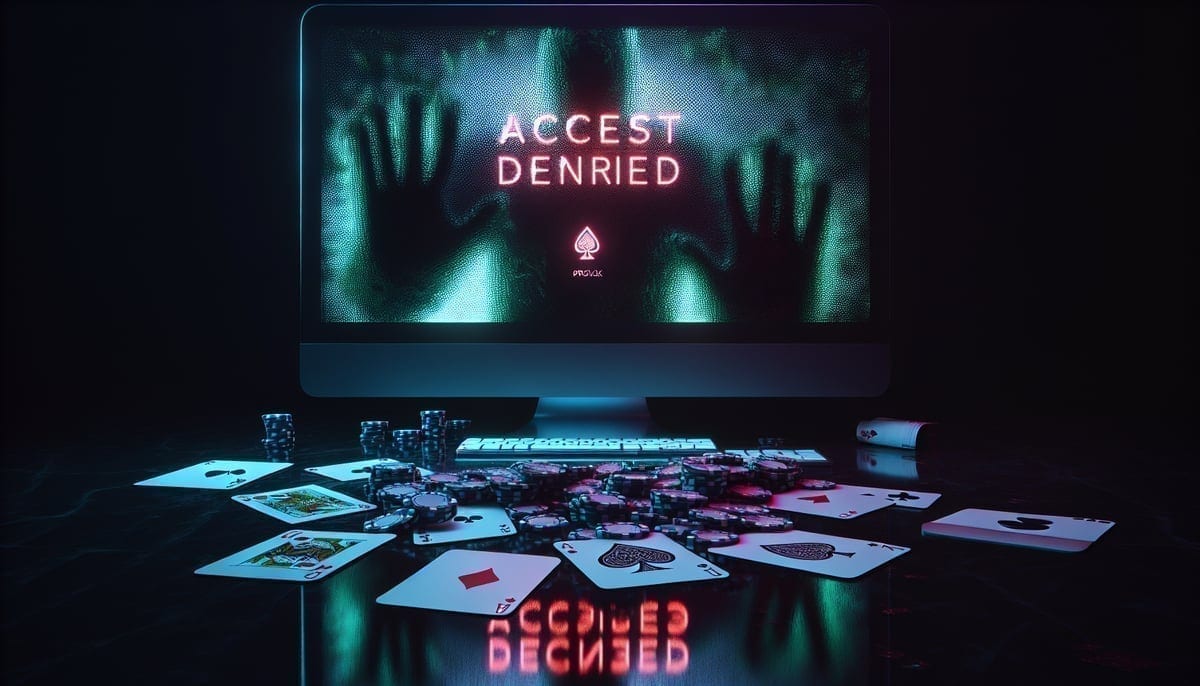
What really stings is the lack of warning. Most regulatory changes come with months of debate, public hearings, grace periods. This? Emergency legislation that went from proposal to law in under two weeks. Players woke up to emails saying “Sorry, you can’t play here anymore.”
The Political Chess Match
What’s really happening behind the scenes (and trust me, I’ve talked to people who know). Maine’s gambling expansion advocates see sweepstakes sites as competition for their future tax revenue. Why let players use free Gold Coins when you could tax real money play?
Rep. Teresa Pierce, who’s leading the charge, told the Bangor Daily News that sweepstakes sites “exploit loopholes” and “operate without consumer protections.” Fair points, maybe. But then why not regulate them instead of banning them outright?
The cynical read - and I’m getting pretty cynical after covering this stuff for two decades - is that Maine wants to clear the decks before launching taxed and regulated sites. Can’t have people playing for free when there’s tax revenue to collect.
I remember when Pennsylvania did something similar in 2019, though not quite as abruptly. They squeezed out the gray-market sites right before launching their regulated market. Worked out great for tax collectors, not so much for players who enjoyed the lower-rake sweepstakes model.
What This Means for Sweepstakes Poker
Maine won’t be the last state to do this. I’m hearing rumblings from contacts in Massachusetts and Connecticut about similar moves. The sweepstakes model, which has thrived in the regulatory gray area for years, suddenly looks vulnerable.
These sites have millions of users across the country. They’ve operated on the legal theory that giving away free play currency, with the option to purchase more, doesn’t constitute gambling. Social casinos have used this model for over a decade. But as states eye online gambling revenue, that protection is evaporating.
The companies aren’t going down without a fight. Stake.us released a statement calling Maine’s ban “disappointing and shortsighted.” Behind the scenes, I’m told they’re exploring legal challenges. Good luck with that - emergency legislation is tough to overturn.
The Bigger Picture Nobody’s Talking About
You know what really gets me? The hypocrisy. Maine runs a state lottery. They’ve got Hollywood Casino in Bangor. Oxford Casino deals poker 24/7. But somehow, playing online poker for sweepstakes coins is the threat to public welfare?
I was chatting with Matt Berkey about this last week (he’s been vocal about predatory gambling practices). His take was interesting: “States want the monopoly on exploitation. They’ll ban anything that competes with their revenue streams, then claim it’s for player protection.”
He’s not wrong. Maine’s online gambling bill includes a 16% tax rate on gross gaming revenue. Do the math on what that means for rake and player value. Spoiler: it ain’t pretty.
The real tragedy here is for recreational players who just want to play some cards. Not everyone can afford real money poker. Not everyone lives near a card room. Sweepstakes sites filled that gap, letting people play essentially for free if they were patient with freerolls and daily bonuses.
Where Maine Players Go from Here
So what are your options if you’re in Maine? Honestly, they’re not great. You can:
- Wait for real money sites (could be 2027 or later)
- Drive to New Hampshire card rooms
- Play on offshore sites (risky and explicitly illegal)
- Try play-money apps (about as exciting as watching paint dry)
Or you could do what one enterprising player from Augusta told me he’s doing: “I’m using my buddy’s address in New Hampshire to keep playing. They can ban the sites, but they can’t ban VPNs.”
Not that I’m advocating that. Just reporting what I’m hearing.
The whole situation reminds me of something Doyle Brunson told me years ago: “Poker always finds a way.” Players are resourceful. They’ll figure out workarounds, find new sites, keep playing somehow.
But they shouldn’t have to. Maine legislators just made life harder for thousands of poker players while claiming to protect them. The real money sites they’re pushing will have higher rake, fewer promotions, and geographic restrictions that make player pools tiny.
Call me old-fashioned, but I liked it better when politicians stayed out of poker. Those days are long gone, especially when there’s tax money involved. Maine just proved that in the stupidest way possible.


