
Alberta’s racing toward a July launch for regulated online poker, and everyone’s asking the same question: Will players be stuck in their own little corner, or can they actually play with folks in Ontario?
I’ve been digging into this mess for weeks (talked to three different regulatory lawyers, and let me tell you, they love their jargon). The short version? Nobody really knows yet. But there are some clues worth paying attention to.
The Shared Liquidity Question
Here’s the thing about Canadian online poker regulation - each province gets to make its own rules. It’s like having 13 different poker rooms in one country, except they might not talk to each other.
Ontario launched their market back in April 2022. They’ve got PokerStars, 888poker, and a bunch of other operators. Pretty solid player pools. But - and this is a big but - Ontario players can only play with other Ontario players. They’re ring-fenced.
Alberta’s looking at this and thinking, “Maybe we don’t want to be an island.”
One source at PlayAlberta (who definitely wasn’t supposed to be talking to me) mentioned they’re “exploring all options for maximizing player experience.” Translation: They know a ring-fenced Alberta would be pretty lonely.
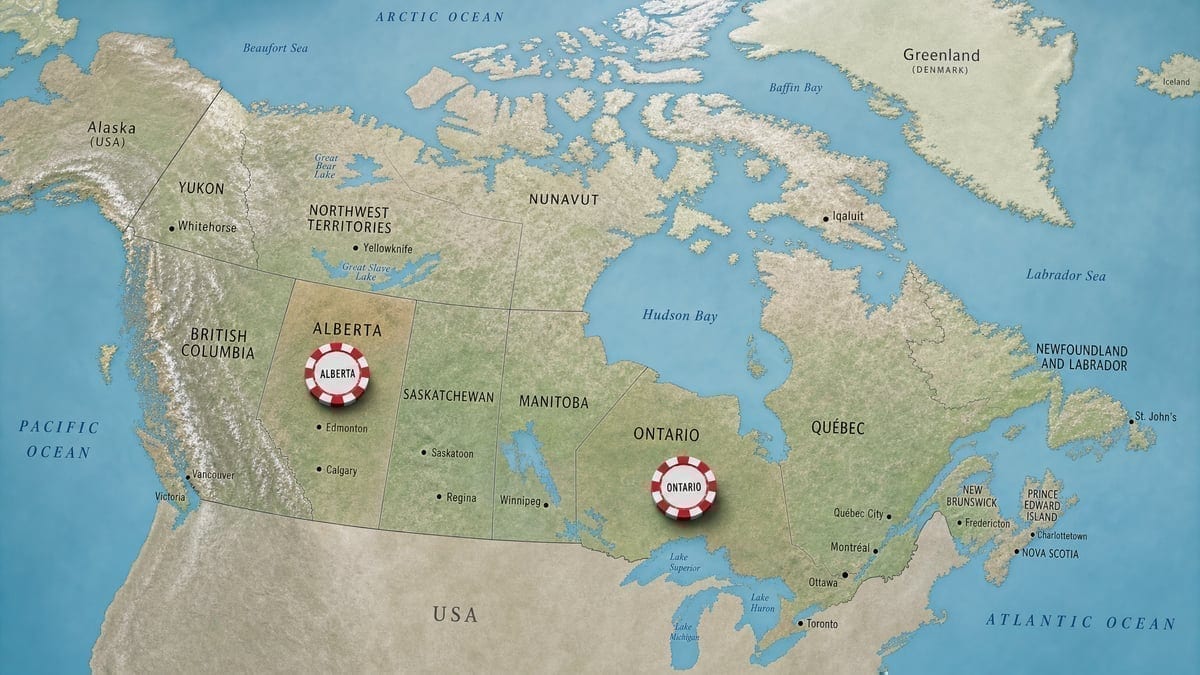
What Ring-Fencing Actually Means
Imagine sitting at a cash game table. In a shared liquidity world, you could be playing against someone in Calgary, Toronto, maybe even Montreal if Quebec ever gets its act together. That’s the dream.
In a ring-fenced world? You’re only playing against other Albertans.
For tournament players, this is brutal. A Sunday major with 200 players instead of 2,000? That’s not a major anymore. That’s a decent home game.
I remember when New Jersey first launched (yeah, I’m dating myself here). Those first few months before they joined with Nevada and Delaware? Rough. Real rough. The Sunday Million equivalent would get maybe 150 runners. Prize pools were… let’s call them “modest.”
The Numbers Game
Alberta’s got about 4.4 million people. Ontario? 14.8 million.
Do the math.
Even if Alberta converts players at the same rate as Ontario (and that’s being optimistic), we’re talking about a player pool that’s less than a third the size. For Pot Limit Omaha players? Good luck finding a game at 3am.
But here’s where it gets interesting. Alberta’s been pushing hard for shared liquidity from day one. They’ve even gone to court trying to force the issue. That tells me they understand the math too.
What Players Can Actually Expect
Based on everything I’m hearing (and reading between the lines of some very boring regulatory documents), here’s my best guess for what July looks like:
Day One: Alberta launches ring-fenced. Has to happen this way - legal stuff, testing, making sure the geofencing works. Expect massive overlay tournaments as operators try to build excitement. If you’re in Alberta, July and August will probably be printing money.
First Six Months: Behind the scenes, lawyers fight it out. Alberta keeps pushing for shared liquidity. Ontario says “we’ll think about it” (spoiler: they’re already thinking about it). Players complain about game selection.
By 2027: This is where I’ll stick my neck out. I think we see Alberta-Ontario shared liquidity by mid-2027. Why? Because Ontario operators are gonna start losing players to gray market sites if they don’t expand the player pool. Money talks.
Rake and Rewards: Expect something similar to Ontario - probably 5-6% rake on cash games, pretty standard tournament fees. The real question is rewards programs. If I had to bet, Alberta players will get slightly better deals initially as operators fight for market share.
The Wildcard Factors
There’s some stuff that could speed this whole process up.
First, if a major operator threatens to skip Alberta because the player pool’s too small, that changes the conversation real quick. (I’m hearing whispers that one big name is already making noises.)
Second, British Columbia’s watching all this real close. If BC announces they’re going regulated and want shared liquidity from the start? That’s three provinces at the table. Harder to ignore.
And then there’s the nuclear option - someone challenges the whole ring-fencing thing in court as interprovincial trade barrier. Not saying it’ll happen, but I know at least two firms looking at it.
For Alberta players waiting to fire up their first legal hands this July, patience is gonna be key. Yeah, the player pool might be smaller than you’d like at first. Games might be softer though - silver lining for the grinders out there. And those overlay tournaments I mentioned? Take advantage while they last.
The Canadian online poker market’s still figuring itself out. Alberta’s just the latest piece of a puzzle that nobody’s quite sure what the final picture looks like. But one thing’s for sure - it beats playing on offshore sites and hoping your cashout actually shows up.


