
Alberta’s betting on July 13, 2026 as their entry date into regulated online gambling. But the poker community’s watching one detail that could make or break the whole thing: ring-fencing.
What Ring-Fencing Means for Your Bankroll
Ring-fencing keeps Alberta players in Alberta-only games. No mixing with Ontario’s pools. No international player base. Just whoever’s logged in from Calgary to Edmonton.
The math hurts. Ontario runs about 14.5 million people. Alberta? 4.4 million. That’s 70% fewer potential opponents before accounting for actual poker participation rates.
Smaller player pools create cascading problems. Tournament guarantees shrink because operators can’t risk massive overlays. A $100K guarantee in Ontario becomes maybe $30K in Alberta. Cash game selection gets brutal during off-peak hours. Want to play $2/$5 PLO at 3am on a Tuesday? Good luck finding a table.
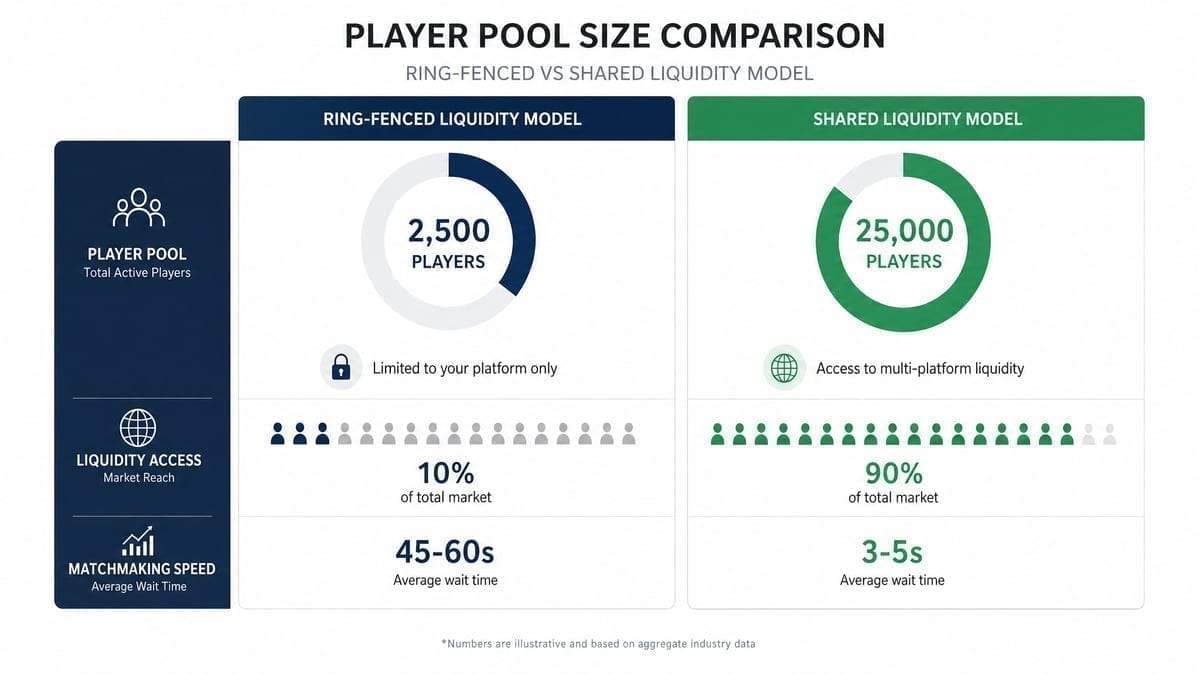
The rake structure takes a hit too. Operators need similar revenue from fewer players, which typically means higher rake percentages or less attractive rewards programs. Where Ontario sites might offer 30% rakeback, Alberta could see 15-20% as standard.
Why Alberta Might Choose Isolation
Regulators have reasons beyond just being difficult.
Tax collection stays simple with ring-fencing. Every dollar wagered, every pot raked - it all happens within Alberta’s digital borders. No complex revenue-sharing agreements with other provinces. No arguments about which jurisdiction gets what percentage of a pot when an Edmonton player beats someone from Toronto.
Local operators get protection too. If Alberta opens to shared liquidity immediately, PokerStars and GGPoker dominate from day one. Ring-fencing gives smaller, Alberta-focused sites breathing room to establish themselves.
There’s also the control factor. When players stay within provincial lines, Alberta Gaming, Liquor and Cannabis (AGLC) maintains complete oversight. They can mandate specific responsible gambling features, set maximum buy-in limits, or require cooling-off periods without negotiating with other regulators.
The Shared Liquidity Alternative
Ontario started ring-fenced in April 2022. Players hated it. Tournament fields stayed tiny. Cash games dried up outside prime time.
But Ontario pivoted - sort of. They didn’t join international pools, but they built a market large enough to sustain itself. With proper population density and marketing, even a ring-fenced model can work.
Alberta lacks Ontario’s population advantage. Which pushes them toward two possible futures: stay isolated and watch the poker ecosystem struggle, or negotiate interstate compacts.
The compact route means partnering with other provinces for shared player pools. Ontario’s the obvious target - they’ve got the infrastructure and the players. But negotiations take time. Legal frameworks need alignment. Tax-sharing agreements need signatures.
British Columbia could join the conversation. They’ve been watching Ontario’s success while running their own PlayNow site. A three-province compact covering BC, Alberta, and Ontario would create a player pool rivaling many European markets.
Timeline Realities
30 operators have expressed interest in Alberta licenses. Most want casino games and sports betting - poker’s an afterthought for many.
This creates a chicken-and-egg problem. Operators won’t invest heavily in poker without liquidity certainty. But Alberta won’t prioritize liquidity agreements without operator pressure.
The July 13 launch will happen regardless. AGLC has committed. The question becomes: does poker launch alongside casino games, or does it wait for better conditions?
Some operators might skip poker entirely at launch. Running poker rooms requires different technology, different staff, different marketing. Why bother for a ring-fenced market of 4.4 million people when slots and blackjack print money with zero liquidity concerns?
What Players Should Expect Day One
If poker launches ring-fenced on July 13, expect this:
Tournament schedules will mirror 2010-era online poker. Maybe 15-20 events daily instead of the 100+ you see on international sites. Sunday majors might guarantee $50K instead of $500K.
Cash games will cluster around micro and low stakes. Ring-fenced markets rarely support consistent high-stakes action. The $5/$10 and above crowd needs volume to find good games. Alberta can’t provide that alone.
Promotion wars might actually benefit players short-term. Operators fighting for small player pools tend to boost first deposit bonuses and run aggressive freerolls. The math eventually forces them to pull back, but early adopters often score solid value.
Software quality becomes paramount. When you’re choosing between three poker rooms instead of thirty, even minor UI annoyances matter. Expect operators to fast-track mobile improvements and stability fixes.
The real tell will be rake structures. If operators launch with competitive rake despite the small market, they’re planning for future liquidity. High rake day one suggests they’ve accepted the ring-fence as permanent.
The Waiting Game
Alberta poker players face a choice soon. Jump into ring-fenced games and hope for eventual expansion? Or stick with whatever grey-market options they’re using now?
The smart money watches what happens in the first 90 days. If poker rooms stay empty and operators start pulling back promotions, that signals trouble. But busy cash game lobbies and overlay-free tournaments suggest the market might sustain itself long enough for liquidity agreements to develop.
One wildcard: Quebec. They’ve run separate from other provinces since 2010, but their Espace Jeux platform has stayed relatively healthy through Loto-Quebec’s monopoly. If Alberta partners with AGLC to create a similar government-run option, the dynamics change completely.
For now, July 13 looms as either the beginning of Alberta’s poker renaissance or another false start in Canada’s fragmented online gambling space. The rake will tell the story.


