
Maurice Hawkins, the man who holds more WSOP Circuit rings than anyone in history, filed for Chapter 7 bankruptcy protection last week in Florida. The filing comes as creditors circle the 13-time ring winner over unpaid debts exceeding $250,000, with poker player Randy Garcia leading the charge to recover more than $100,000.
Hawkins earned $3.2 million in tournament winnings over his career, with $1.1 million coming in just the past two years. But those headline numbers mask a deeper financial crisis that bankruptcy attorneys say reflects broader issues in professional poker’s economics.
The Garcia Debt Takes Center Stage
Randy Garcia partnered with attorney Rogen K. Chhabra after waiting years for repayment. The debt stems from a 2019 loan Garcia made to Hawkins during a tournament series.
“My client showed remarkable patience,” Chhabra told PokerNews this week. “But patience has limits when someone wins seven figures while claiming they can’t pay you back.”
Garcia’s claim represents the largest single debt in Hawkins’ bankruptcy filing. Court documents reveal at least four other poker-related creditors seeking repayment for amounts ranging from $15,000 to $45,000. The total poker debts listed exceed $200,000, though sources familiar with the situation suggest the actual figure could be higher.
Chapter 7 bankruptcy would discharge most personal debts if approved by the court. But the timing raises questions – Hawkins cashed for $312,000 in tournaments over the past six months alone.
Bankruptcy Mechanics and Poker’s Underground Economy
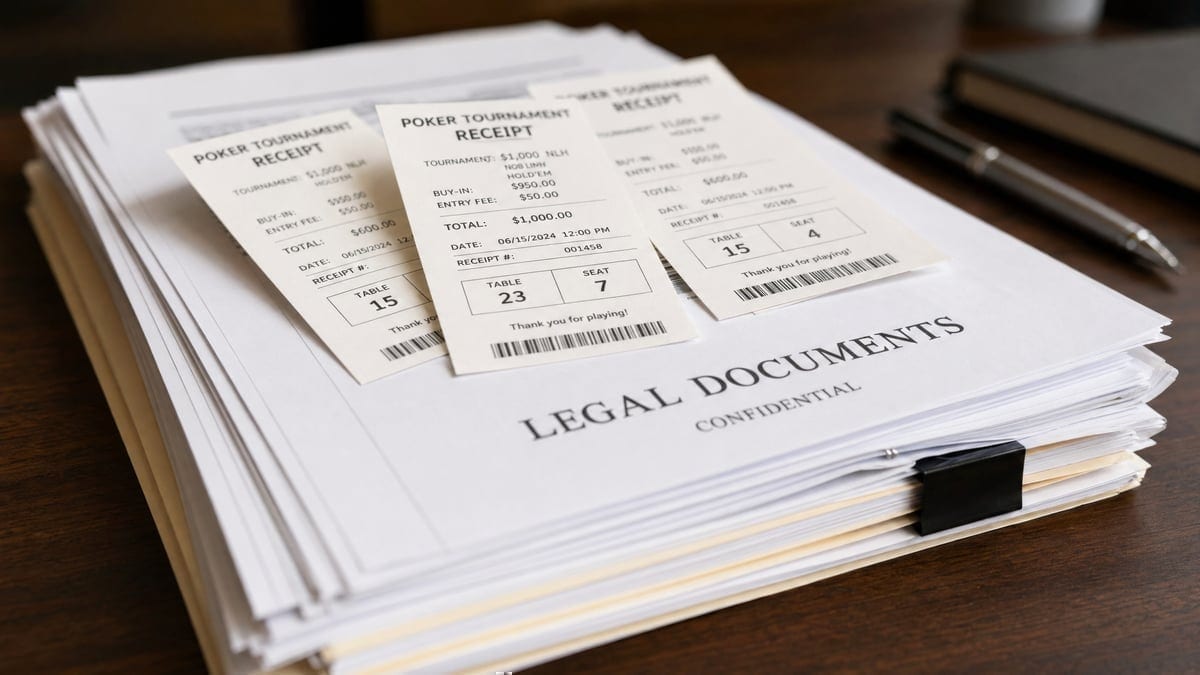
Chapter 7 bankruptcy, often called “liquidation bankruptcy,” allows debtors to discharge unsecured debts while potentially keeping certain exempt assets. In Florida, those exemptions include homestead property and retirement accounts.
The filing reveals the precarious nature of tournament poker’s financial structure. While Hawkins’ Hendon Mob profile shows $3.2 million in lifetime cashes, industry insiders estimate that 60-70% of those winnings went to backers, tax obligations, and tournament expenses.
“Tournament winnings create an illusion,” says a prominent backing agent who requested anonymity. “A player shows $3 million in cashes but might have netted $500,000 over 15 years. That’s $33,000 per year before living expenses.”
And then there’s the variance. Tournament poker’s feast-or-famine nature means players often borrow during downswings, expecting future scores to cover debts.
Pattern of Promises
Multiple creditors describe a similar pattern: Hawkins would acknowledge debts, promise payment after his next big score, then become unreachable after cashing. Text messages filed with the court show Hawkins telling Garcia in 2021: “I got you after Vegas.” Similar messages to other creditors stretch back to 2020.
The bankruptcy filing lists monthly income of $8,500 against expenses of $11,200. But those figures don’t align with recent tournament results showing six-figure scores in consecutive months.
Chhabra plans to challenge the bankruptcy in court, arguing that gambling debts shouldn’t receive protection when the debtor continues playing professionally. “You can’t claim poverty while buying into $5,000 tournaments,” he said.
Wider Implications for Poker’s Reputation
Hawkins’ situation reflects systemic issues in poker’s economy. The gap between gross tournament winnings and actual bankroll creates pressure that leads to borrowing. When variance hits, debts pile up faster than wins.
Some major tournament series have begun addressing the issue. The WSOP recently partnered with financial counseling services for bracelet winners. GGPoker offers payment plans for tournament buyins.
But the Hawkins bankruptcy highlights how poker’s informal lending market operates without the protections found in traditional finance.
The bankruptcy court will hold its first hearing May 15. If Hawkins’ filing succeeds, creditors like Garcia could receive pennies on the dollar – or nothing at all. Meanwhile, Hawkins remains active on the tournament circuit, with three cashes already in April.
“The irony isn’t lost on anyone,” says one creditor who asked not to be named. “He’ll probably win a tournament the week his debts get discharged.”
For an industry built on honor and verbal agreements, the Hawkins bankruptcy represents more than individual failure. It exposes the fragile economics underlying professional tournament poker, where million-dollar winners can simultaneously be six-figure debtors. The outcome of this case could reshape how backing deals and player loans operate going forward.


