
The Numbers Game
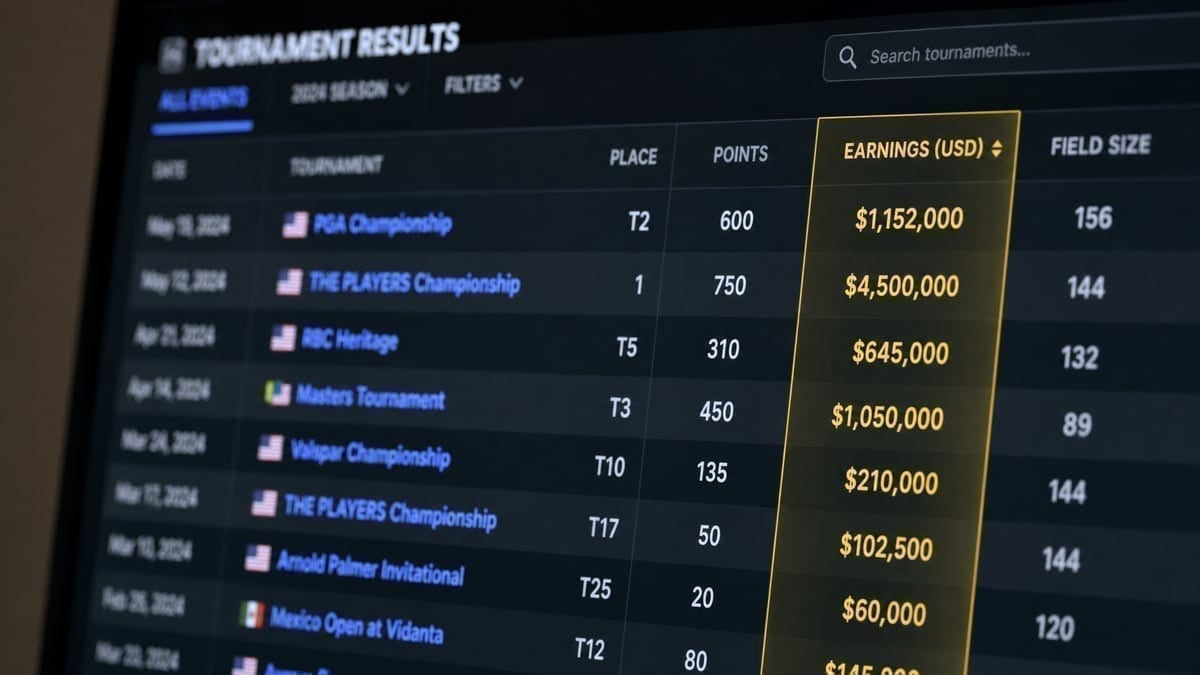
Paul Seaton dropped a grenade into poker Twitter last week with his op-ed questioning how The Hendon Mob displays tournament results. The site shows cumulative winnings without deducting buy-ins - a practice that’s been standard for decades but now faces fresh scrutiny.
The timing couldn’t be more pointed. This comes just weeks after the David Peters-Dylan Linde debt saga exposed the complex financial realities behind those glossy lifetime earnings figures. When Peters revealed he’d been on makeup for years despite $40 million in recorded cashes, it highlighted exactly what Seaton’s arguing: those numbers tell maybe half the story.
Players Split on Transparency Push
The professional community remains deeply divided on whether changing the display method would help or harm the game.
“It’s theater, pure and simple,” one high-stakes regular told me on condition of anonymity. “Everyone in the high roller scene knows the real score. Showing net profits would kill sponsorship deals overnight.”
But mid-stakes grinders see it differently. Several pros in the $5,000-$10,000 buy-in range argue that inflated lifetime earnings create unrealistic expectations for recreational players entering the tournament scene. They’re watching friends chase glory in events they can’t afford, mesmerized by seven-figure scores that don’t reflect the six-figure losses required to get there.
Daniel Negreanu weighed in diplomatically during his latest vlog, suggesting perhaps sites could offer both views - gross and net - letting users toggle between them. “Give people the data and let them decide what matters,” he said.
Industry Professionals See Market Impact
From a business perspective, the debate touches on fundamental questions about how poker markets itself to new players and sponsors.
Cardroom executives I spoke with universally oppose any change. Their position makes sense - big numbers drive media coverage, attract recreational players, and justify corporate sponsorships. Strip away the glamour of those lifetime earnings, and suddenly poker looks less like a sport and more like what it actually is: a form of gambling where most participants lose money long-term.
“We’re selling dreams,” admitted one tournament director who’s run major series across three continents. “Change how we display results, and we’re basically telling people not to play.”
The irony is that transparency might actually help the ecosystem. Better-informed players make more sustainable decisions about bankroll management, potentially reducing the boom-bust cycles that plague tournament fields.
The Technology Question Nobody’s Asking
What’s missing from this entire debate: implementation. The Hendon Mob database contains millions of results spanning decades. Any change would require not just technical updates but also decisions about retroactive application.
Do you suddenly show Phil Hellmuth with negative lifetime earnings because his early career predates accurate buy-in tracking? What about satellites - if someone wins a $10,000 seat for $100, which number counts?
These aren’t trivial questions. They’re the kind of details that turn good ideas into operational nightmares.
Market Forces Will Decide
The conversation reveals a deeper tension in poker’s evolution from underground game to mainstream entertainment product. Every sport manages perception through selective data presentation - NFL doesn’t publicize player salaries against career earnings, and the PGA Tour certainly doesn’t track how much players spend traveling to events.
But poker exists in a unique space where participants are both athletes and gamblers, where success requires both skill and capital. That duality creates conflicts that simple database changes can’t resolve.
What’s certain is that market pressures will determine the outcome more than philosophical debates. If players start demanding transparency before entering events, if sponsors begin asking harder questions about ROI, if recreational players stop chasing tournament dreams because they understand the math - then sites like Hendon Mob will adapt. Until those economic incentives align, expect the status quo to persist.
The database might not show the whole truth. But in an industry built on incomplete information and calculated risks, perhaps that’s exactly how it should be.


