
The poker world loves a good leaderboard. David Peters sits fourth on the all-time tournament earnings list with $42 million in cashes. Impressive numbers. Headlines write themselves. Except last week, those numbers became the center of an uncomfortable truth about high-stakes tournament poker.
When Dylan Linde went public about Peters owing him money from a 2019 backing deal, the community started doing the math. And the math, as it often does in poker, told a different story than the leaderboards.
The Theater of Tournament Earnings
What lifetime earnings don’t tell you: how much a player spent to win those millions. Or who actually paid for those buy-ins. Or whether the player even kept any of the prize money.
Peters’ situation pulled back the curtain. A player with $42 million in tournament winnings needed time to pay back a five-year-old debt. Not because he’s dishonest – he eventually paid Linde in full – but because those millions on Hendon Mob don’t translate to millions in the bank.
The disconnect runs deeper than most casual fans realize.
Buy-In Mathematics Nobody Discusses
Take a typical high roller grinder’s year. They might play 200 tournaments with an average buy-in of $25,000. That’s $5 million in expenses before they’ve cashed once.
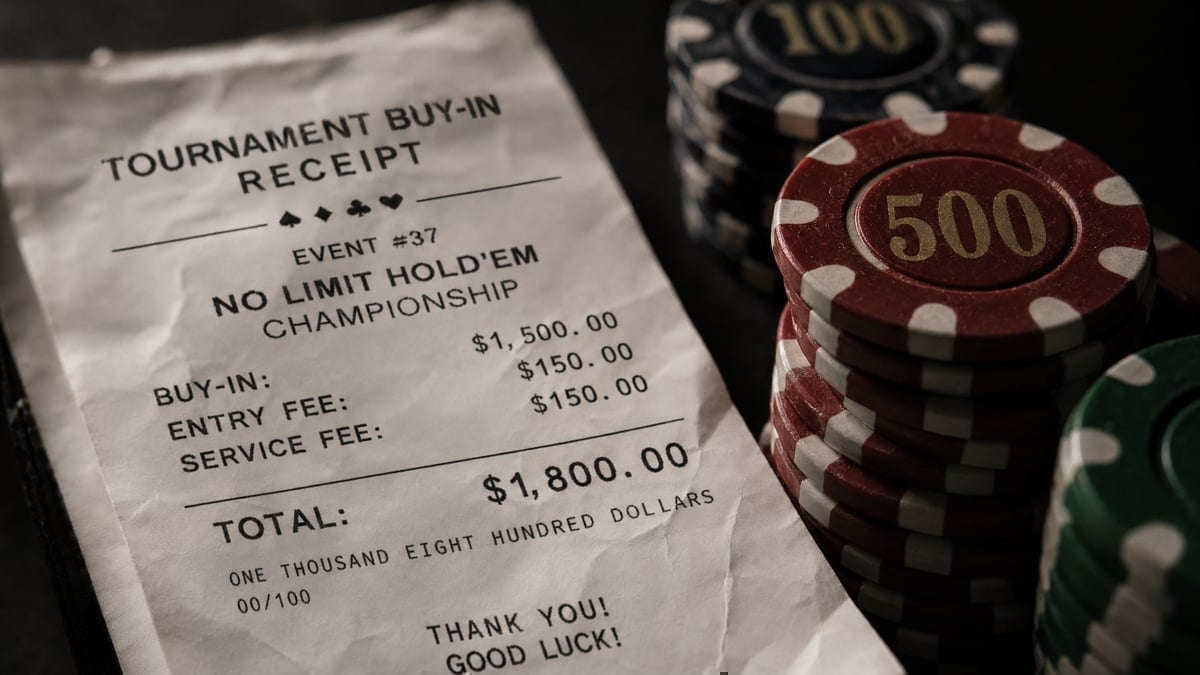
Win $6 million that year? Congrats, you’re up $1 million before taxes, travel, hotels, and food. The Hendon Mob database shows $6 million. Your accountant sees something very different.
But it gets murkier. Many high-stakes players sell action or have backers covering their buy-ins. Win a $3 million score with 50% of yourself? That’s $1.5 million, minus the backer’s makeup if you’ve been running bad. Sometimes players walk away from massive scores with less than 20% of the published prize.
The variance in these games is soul-crushing too. Even the best tournament players might go months or years between significant scores. Bills don’t stop arriving just because you’re card dead.
Why Players Perpetuate the Myth
Here’s where it gets interesting. Players themselves rarely correct these misconceptions. Why would they?
Sponsorship deals often tie compensation to tournament results and media coverage. A player with $40 million in lifetime earnings commands higher appearance fees than someone with $4 million – even if they both have the same bankroll.
The myth serves everyone. Tournament organizers love promoting massive prize pools and creating millionaire winners. Media loves the storylines. Players benefit from the prestige. Only the truth suffers.
I’ve watched this dance at EPT stops across Europe. Players who just won six figures borrowing money for cab fare. November Nine members grinding $200 dailies between sponsorship payments. The gap between perception and reality would shock most fish at your local card room.
The Backing Web Gets Darker
Peters and Linde’s situation highlights another uncomfortable reality: the backing economy operates on handshake deals and reputation. No contracts. No lawyers. Just trust between people chasing variance with other people’s money.
When it works, nobody talks about it. When it doesn’t, we get public feuds that reveal how precarious these arrangements really are.
And backing deals themselves can be predatory. Young players desperate for action accept terms that would make loan sharks blush. 80/20 splits with makeup. Multi-year commitments. Some essentially become indentured servants to their backers, grinding away at festivals worldwide while keeping pennies on the dollar.
The system perpetuates because admitting you’re broke after winning millions requires a level of honesty that doesn’t play well on Instagram.
What This Means for Poker’s Future
The Peters situation forces an uncomfortable conversation. If one of poker’s most successful tournament players struggles with liquidity, what does that say about tournament poker as a profession?
After answer isn’t pretty. Tournament poker, especially at high stakes, might be the worst way to make a living in poker. The variance is massive. The expenses are astronomical. The lifestyle is grueling. And the financial reality rarely matches the public perception.
Cash game pros quietly print money while tournament grinders chase glory at negative expected value. But you’ll never see lifetime cash game winnings on a leaderboard. That anonymity is probably why they’re the ones actually getting rich.
The truth is that lifetime tournament earnings are theater. Entertaining theater, sure. But theater nonetheless. The numbers create narratives that sell poker to the masses while obscuring the harsh economics underneath.
Next time you see a player cross another million-dollar milestone on Hendon Mob, remember Peters and Linde. Remember that those numbers tell you what someone won, not what they kept. And definitely not what they’re worth.
The real high-stakes game isn’t happening at the tables. It’s happening in the gap between what poker wants you to believe and what players actually experience. That’s a bluff the industry has been running for decades.
And unlike most bluffs in poker, this one might actually be profitable for everyone involved. Everyone except the players themselves.


