
ClubWPT Gold just dropped a surprise on its players that nobody saw coming. Sales tax is now being tacked onto virtual currency purchases in certain states, and players are starting to notice those extra charges hitting their credit card statements.
This marks the first major sweepstakes poker platform to implement sales tax on player purchases - a move that could signal the beginning of a new era for the booming social poker market. And it’s happening without any formal announcement or explanation from the operator.
The Tax Man Cometh
Players in states like Pennsylvania, Texas, and Washington are reporting tax charges ranging from 6% to 8.25% on their Gold Coin packages. A $99.99 purchase that used to be exactly $99.99 now rings up at $108.24 in Seattle. That’s real money players weren’t expecting to spend.
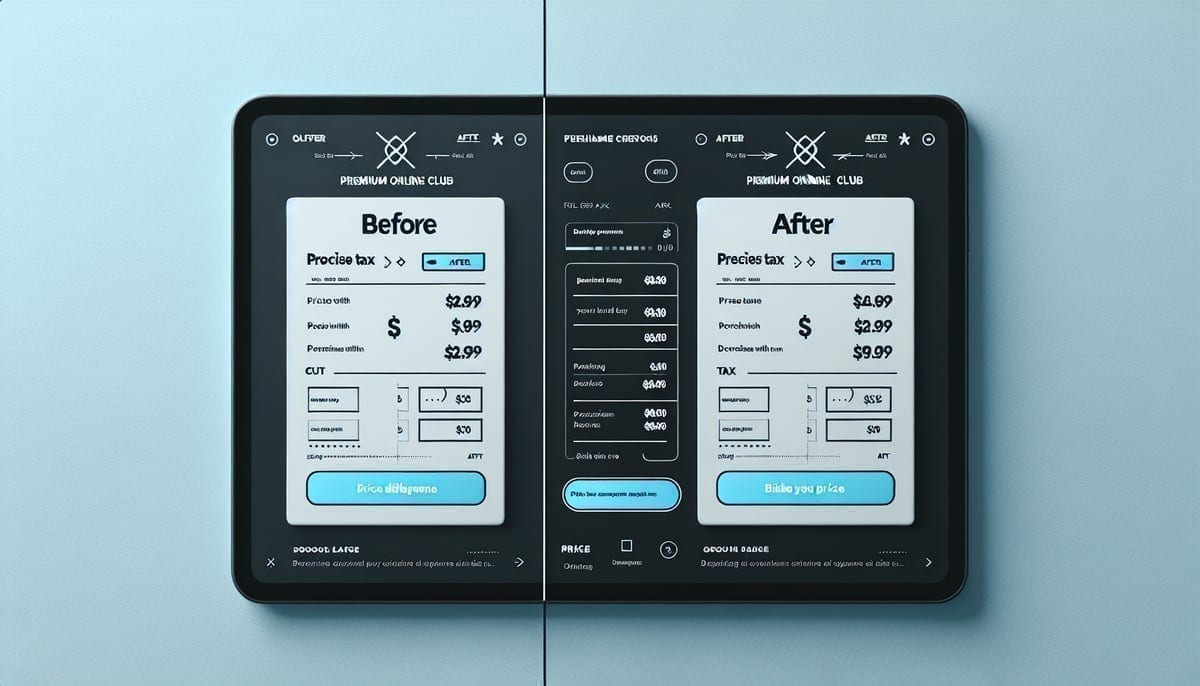
ClubWPT Gold operates under the sweepstakes model, where players buy virtual currency (Gold Coins) for entertainment purposes and receive free Sweeps Coins that can be redeemed for cash prizes. Until now, these purchases have been tax-free in most jurisdictions. That party appears to be ending.
“I’ve been playing for six months and suddenly there’s tax on my purchase,” one Pennsylvania player told me. “No email, no notification, just boom - extra charges.”
The timing is particularly interesting given the broader regulatory scrutiny facing sweepstakes poker sites across the United States. States are taking a harder look at whether these platforms are skirting gambling laws, and tax authorities might be catching up to what has been a gray area for years.
Why This Matters for the Sweepstakes Model
Sweepstakes poker has exploded over the past three years. Sites like Stake.us, Global Poker, and ClubWPT Gold have attracted hundreds of thousands of players by offering real-money prizes without requiring real-money deposits. Players purchase virtual currency for “entertainment” and get free entries to win cash.
But here’s the rub: many states are now treating these virtual currency purchases as taxable digital goods. Just like buying coins in a mobile game or purchasing a digital movie, buying Gold Coins is increasingly being viewed as a retail transaction subject to sales tax.
This fundamentally changes the economics for players. A regular who spends $500 monthly on Gold Coins in Texas now faces an extra $41.25 in taxes - nearly $500 annually. For high-volume players dropping thousands, we’re talking serious money.
State-by-State Breakdown Creates Player Confusion
The implementation appears haphazard. Players in California report no tax. Texas players see 8.25%. Pennsylvania hits them with 6%. And it’s not clear whether this is ClubWPT Gold’s decision or if they’re simply complying with existing state tax codes that have finally caught up to sweepstakes poker.
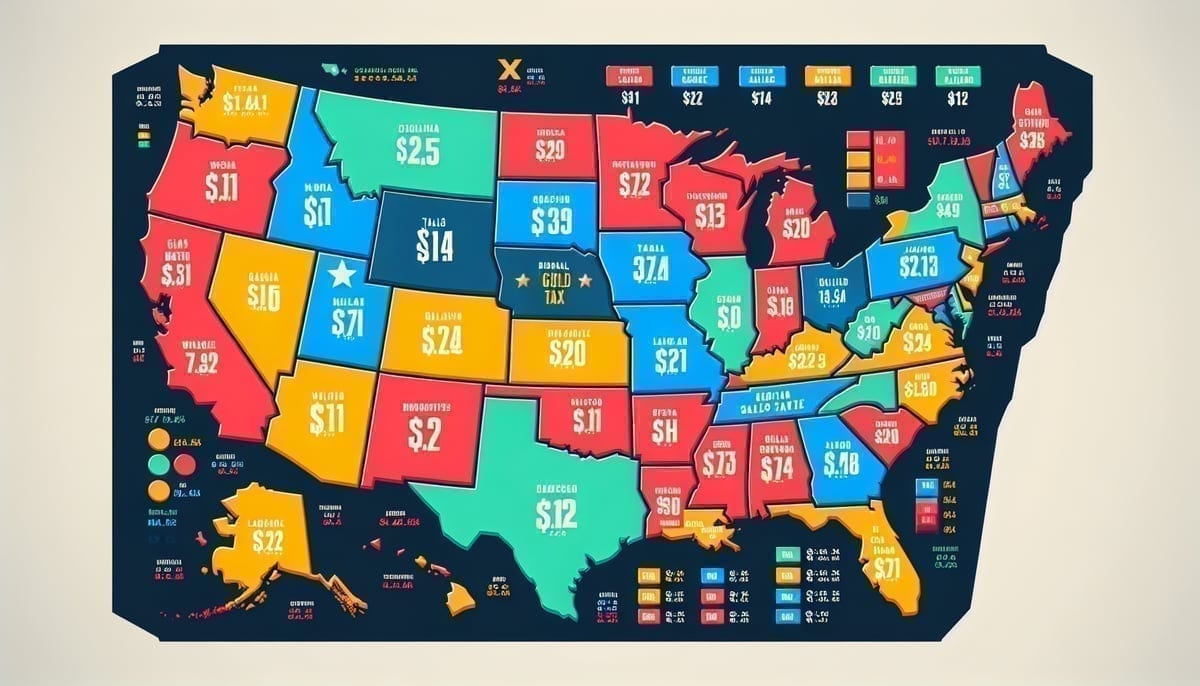
Several tax attorneys I spoke with weren’t surprised. “States have been taxing digital goods for years,” one explained. “The question was always when, not if, they’d apply these rules to sweepstakes gaming.”
What makes this messier is that ClubWPT Gold hasn’t publicly addressed the change. Their terms of service have always included boilerplate language about applicable taxes, but the actual implementation caught players off guard. Customer service reps seem equally confused, with some telling players it’s a “temporary glitch” while others confirm it’s permanent.
The Domino Effect
If ClubWPT Gold is adding sales tax, how long before Global Poker, Stake.us, and others follow suit? These platforms all operate under similar models, and if one is determining that sales tax applies, the others might not be far behind.
This could accelerate the push toward regulated online poker in more states. When sweepstakes sites lose their price advantage through taxation, the argument for regulated sites with player protections and responsible gaming measures becomes stronger.
Michigan players, for instance, can choose between taxed sweepstakes sites or regulated platforms like PokerStars and BetMGM. If both options cost the same after tax, why not play where your funds are protected and games are officially regulated?
What Players Can Do
For now, players need to factor these taxes into their bankroll management decisions. That $100 monthly budget might only buy $92 worth of Gold Coins after tax. Some players are already voting with their wallets, moving to sites that haven’t implemented sales tax yet.
But this might be a short-term solution. As states get more sophisticated about digital taxation and sweepstakes poker grows larger, these taxes seem inevitable across the board.
The bigger question is whether this marks the beginning of the end for the sweepstakes model’s golden age. These sites thrived partly because they offered a loophole - real prizes without the regulatory overhead of traditional gambling. As that loophole closes through taxation and increased scrutiny, the model’s advantages diminish.
The Road Ahead
ClubWPT Gold’s quiet addition of sales tax might seem like a minor annoyance, but it represents a fundamental shift in how authorities view sweepstakes poker. These aren’t just free game sites anymore - they’re businesses selling digital products, and those sales are taxable.
For an industry that has operated in regulatory gray areas, this clarity might actually be welcome. Yes, players pay more, but it also legitimizes the business model in the eyes of state authorities. That could mean more stability and less risk of sudden shutdowns or legal challenges.
Or it could mean the economics no longer work. If players balk at paying tax on top of their purchases, and sites can’t absorb the cost difference, the whole sweepstakes model could face an existential crisis.
the days of tax-free sweepstakes poker purchases are numbered. ClubWPT Gold just fired the first shot. Now we wait to see who follows.


