
Sweepstakes poker platforms operating in Indiana have received an unexpected reprieve as the state moves to ban sweepstakes gambling. While Indiana’s new legislation will outlaw sweepstakes casinos and sportsbooks starting July 1, 2026, a key exemption for “peer-to-peer poker games” means platforms like Clubs Poker, Global Poker, and others can continue serving Hoosier State players.
The development comes as states across America increasingly scrutinize the sweepstakes model, which has allowed gambling-style games to operate in a legal gray area by offering free play with optional purchases and prize redemptions. Indiana’s approach, however, makes a clear distinction between games played against the house and those where players compete against each other.
The Unique Language That Saves Poker
Indiana’s Senate Bill 9, which passed with overwhelming bipartisan support, specifically targets sweepstakes operations that offer casino-style games and sports betting. The legislation defines prohibited sweepstakes as those offering “games of chance” where players compete against the operator. But buried in the legal text is a critical carve-out: peer-to-peer poker games are explicitly excluded from the ban.
This distinction recognizes poker’s fundamental difference from other casino games. While slots, blackjack, and roulette pit players against the house edge, poker involves players competing against each other with the operator merely facilitating the game and collecting rake. This peer-to-peer nature has long been central to poker’s legal arguments in various jurisdictions.
“The exemption makes perfect sense from a legal standpoint,” says a gaming law expert familiar with Indiana regulations. “Poker has always occupied a unique space because it’s primarily a game of skill where players face each other, not the house. Indiana legislators clearly understood this distinction.”

How Sweepstakes Poker Works
For those unfamiliar with the model, sweepstakes poker sites operate differently from traditional online poker platforms. Players receive free “gold coins” or similar virtual currency for entertainment play, with the option to purchase more. Crucially, these purchases come with complimentary “sweeps coins” that can be used in separate games where prizes can be redeemed for cash.
This two-currency system has allowed sweepstakes operators to function in states without regulated online gambling, filling a significant gap in the market. Major platforms have attracted hundreds of thousands of players across the United States, including in Indiana where traditional real-money online poker remains illegal.
The model has proven particularly popular among recreational players who enjoy the ability to play for free while having the option to compete for real prizes. Many platforms also offer daily login bonuses and other promotions that provide steady streams of free play currency.
Indiana’s Crackdown on Sweepstakes Gambling
The broader context of Indiana’s legislation reflects growing concern about unregulated gambling operations. State lawmakers cited consumer protection issues, lack of responsible gambling measures, and lost tax revenue as primary motivations for the ban. The bill targets sweepstakes operations that have proliferated in recent years, particularly those offering slot-style games and sports betting alternatives.
“We’ve seen an explosion of these sweepstakes operations that are essentially unregulated casinos,” said one Indiana legislator during debate on the bill. “They operate outside our consumer protection framework and don’t contribute to state programs funded by regulated gambling.”
The legislation imposes hefty penalties for violations, including fines up to $50,000 per day for operators who continue offering prohibited sweepstakes games after the July 1 deadline. Internet service providers and payment processors are also required to block transactions to non-compliant sites.
What This Means for Indiana Poker Players
For Indiana residents who enjoy sweepstakes poker, the news brings welcome relief. Popular platforms that offer peer-to-peer poker games can continue operations without interruption. This includes major sites that have built substantial player bases in the state over recent years.
Players will still be able to:
- Participate in cash games and tournaments
- Redeem sweeps coins for prizes
- Enjoy promotional offers and bonuses
- Compete against players from other states
But these same platforms will need to remove any casino-style games from their Indiana offerings. Sites that offer both poker and slots, for example, will need to geo-restrict Hoosier players to poker-only lobbies.
Broader Implications for the Industry
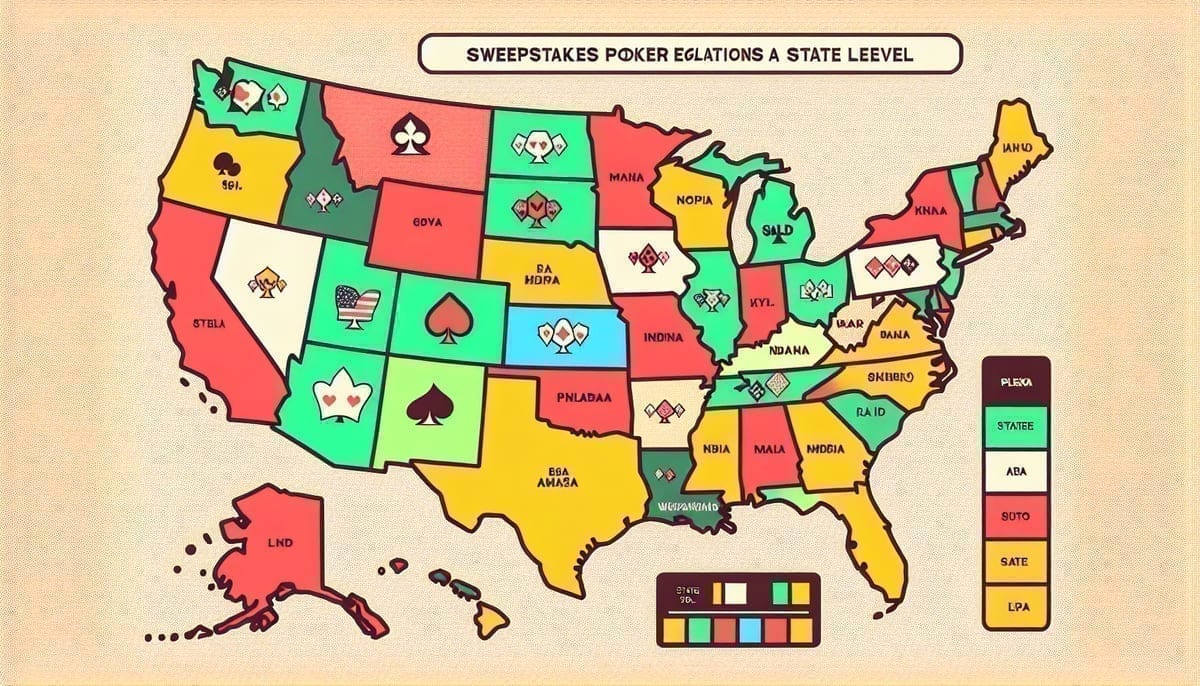
Indiana’s approach could serve as a template for other states grappling with sweepstakes gambling. By distinguishing between peer-to-peer games and house-banked games, legislators have created a framework that addresses concerns about unregulated casino games while preserving options for poker players.
This development also highlights poker’s unique position in the gambling world. While casino games face increasing scrutiny, poker’s skill-based, player-versus-player format continues to find acceptance even in restrictive regulatory environments. The World Series of Poker and other major tournaments have long emphasized poker’s competitive aspects, and Indiana’s legislation reinforces this distinction.
The exemption may also accelerate consolidation in the sweepstakes poker market. Platforms focused exclusively on poker could see an influx of players from sites forced to shut down their casino offerings in Indiana. This could strengthen the poker-only platforms’ liquidity and market position.
Legal Precedents and Future Challenges
Indiana’s poker exemption follows similar approaches in other jurisdictions. Several states that ban most forms of gambling still permit poker, either in card rooms or home games, recognizing its different nature. This legislative pattern suggests a growing acceptance of poker as distinct from traditional gambling.
Still, the sweepstakes poker industry still faces challenges. Other states may not follow Indiana’s lead in creating exemptions, potentially forcing platforms to manage a complex patchwork of state regulations. On top of that, federal scrutiny of sweepstakes operations could impact the entire industry regardless of state-level exemptions.
Legal experts note that the peer-to-peer exemption could face challenges if operators don’t clearly separate poker from other offerings. “Sites need to be very careful about how they structure their Indiana operations,” warns one attorney specializing in gaming law. “Any blurring of lines between poker and prohibited games could jeopardize their exemption.”
The Road Ahead
As July 1 approaches, sweepstakes poker operators are likely reviewing their Indiana operations to ensure compliance with the new law. This may involve technical updates to geo-restrict certain games, revised marketing strategies, and enhanced age verification processes. Players should expect communications from their preferred platforms about any changes to game availability.
The Indiana decision also puts pressure on the state’s regulated gambling industry. With sweepstakes poker continuing while casino-style sweepstakes face prohibition, there may be renewed interest in launching regulated online poker in the state. Indiana’s commercial casinos have long advocated for online gambling expansion, and the sweepstakes exemption could provide additional ammunition for their arguments.
For the broader online poker industry, Indiana’s approach offers both validation and opportunity. The explicit recognition of poker’s peer-to-peer nature in legislation strengthens arguments for poker’s legitimacy and skill-based characteristics. As more states examine their gambling laws in the coming years, Indiana’s model of distinguishing between poker and casino games could influence policy decisions nationwide, potentially opening new markets while protecting player interests.


