
The lights dim. Tension fills the air at Playground Poker Club. Nine players remain from a field of 847, but here’s the kicker - six of them paid less than $200 to get here.
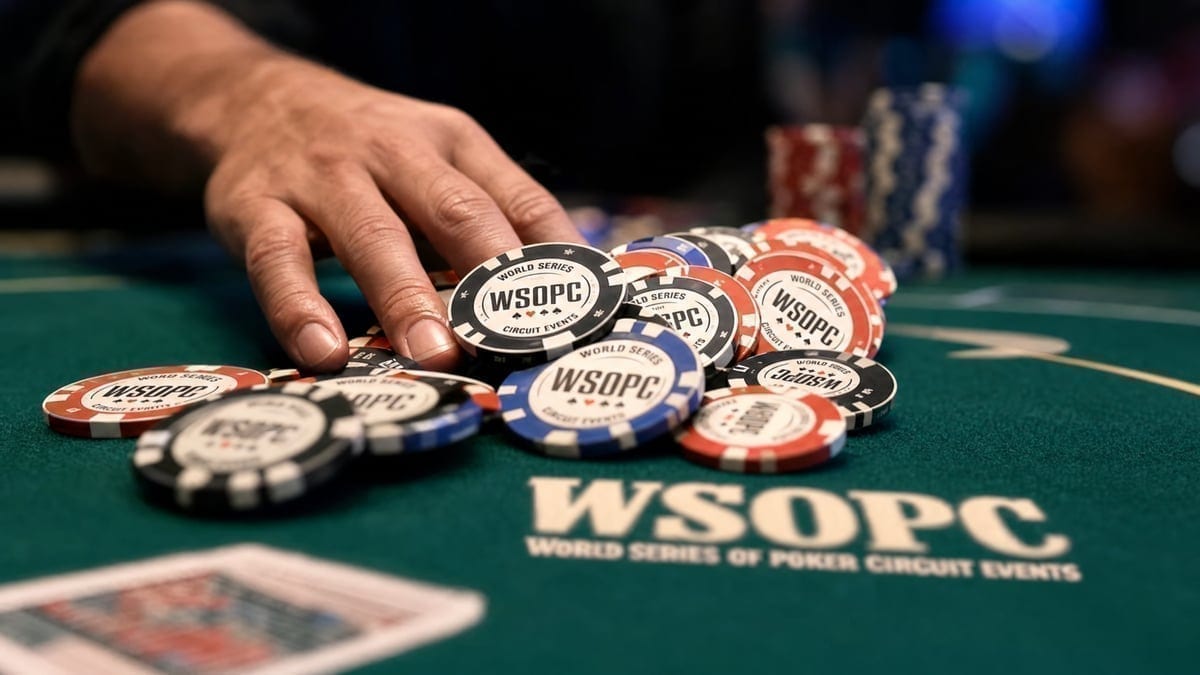
Montreal’s WSOPC Main Event just wrapped, and the story isn’t about who won. It’s about how they got there. Online satellite qualifiers didn’t just show up - they conquered. They turned tiny investments into life-changing scores, and in doing so, exposed a shift in tournament poker that’s been brewing for years.
The New Economics of Live Tournament Poker
Forget what you think you know about buy-in structures. The old model where wealthy amateurs and sponsored pros dominated major finals? Dead. Buried. The satellite grinders have taken over, and they’re not apologizing for it.
Look at Montreal’s numbers. The C$1,700 Main Event smashed its guarantee, pulling 847 entries and creating a C$1.2 million prize pool. But dig deeper into those entries and you’ll find something fascinating - nearly 40% came through online qualifiers. That’s not a fluke. That’s a pattern.
GGPoker ran satellites starting at $10. Ten dollars! For perspective, that’s less than a movie ticket in Montreal. Yet players parlayed those micro-stakes into shots at six-figure scores.
The math is beautiful in its brutality. A $10 satellite winner who reaches the final table gets a minimum 20,000% ROI. Compare that to the direct buy-in player’s maximum 600% return for the same finish. No wonder the satellites are packed.
Why Traditional Players Are Getting Left Behind
Here’s where it gets spicy. The satellite specialists aren’t just lucky punters taking moonshots. They’re a different breed entirely.
They understand ICM pressure points that direct buy-in players never face. When you’ve battled through three qualifying rounds just to reach Day 1, you develop a different relationship with variance. You learn patience. You master the art of survival.
Direct buy-in players? They play to win from hand one. Satellite qualifiers play to survive until the money, then shift gears. It’s a completely different psychological framework, and at Montreal, it proved devastatingly effective.
The old guard complains about this “nitty” style ruining poker’s action image. But when six of nine final tablists qualified online for peanuts, who’s really out of touch?
The Counter-Argument Falls Apart
Some argue this satellite dominance is bad for poker. They claim it creates boring, risk-averse play that turns away recreational players and sponsors.
Bullshit.
Know what really builds poker’s ecosystem? Accessibility. Dreams. The possibility that anyone with $10 and skills can compete with millionaires. That construction worker from Quebec City who satellited in and finished third for C$98,000? He’s going home to tell everyone he knows about his incredible run.
Those stories create new players. Not watching trust fund kids trade coolers for seven figures.
Besides, the “boring” argument ignores reality. Montreal’s final table featured multiple 100+ big blind pots. Players weren’t just surviving - they were competing. The difference? They picked their spots with surgical precision instead of splashing around to “create action.”
The Future Already Arrived
Montreal isn’t an outlier. It’s a preview.
Every major online poker operator now runs extensive satellite programs because they’ve seen the data. Satellite qualifiers create bigger fields, generate more rake, and build better stories than any marketing campaign.
WPT Global just announced they’re doubling their satellite guarantees for 2026. GGPoker runs daily feeders to every significant live event worldwide. Even old-school venues are adapting - the WSOP now offers more online qualifying routes than ever.
This isn’t temporary. This is evolution.
The players who adapt will thrive. Learn satellite strategy. Master the unique dynamics of qualifier tournaments. Understand that in modern poker, the best ROI often comes from thinking small before playing big.
Or keep firing direct buy-ins while complaining about all the “satellite nits” at your table. Your choice. But when the next WSOPC final table rolls around and seven of nine players qualified online, don’t act surprised.
The game changed. Montreal just showed us the scoreboard.


