
The chips cascade across the felt like an avalanche. $307,000. That’s what Nik Airball just shoved into the middle at Hustler Casino Live, and Andy Robl sits there, stone-faced, holding the nut flush on a paired board.
“Call,” the railbirds whisper. “Easy call.”
But Robl folds. And poker Twitter loses its mind.
When Solvers Meet Soul Reads
What the math says: with pot odds this good and the fourth nuts in his hand, Robl needs to be right about Airball having a full house roughly 85% of the time to justify folding. The GTO bots would slam the call button so hard it’d break through the table.
Except Robl isn’t a bot. He’s been grinding these stakes since before most of today’s solver wizards learned what a check-raise was.
“Everyone commenting has never played a million dollar pot,” one high stakes regular posted. “The dynamics change when you’re playing someone eight hours straight.”
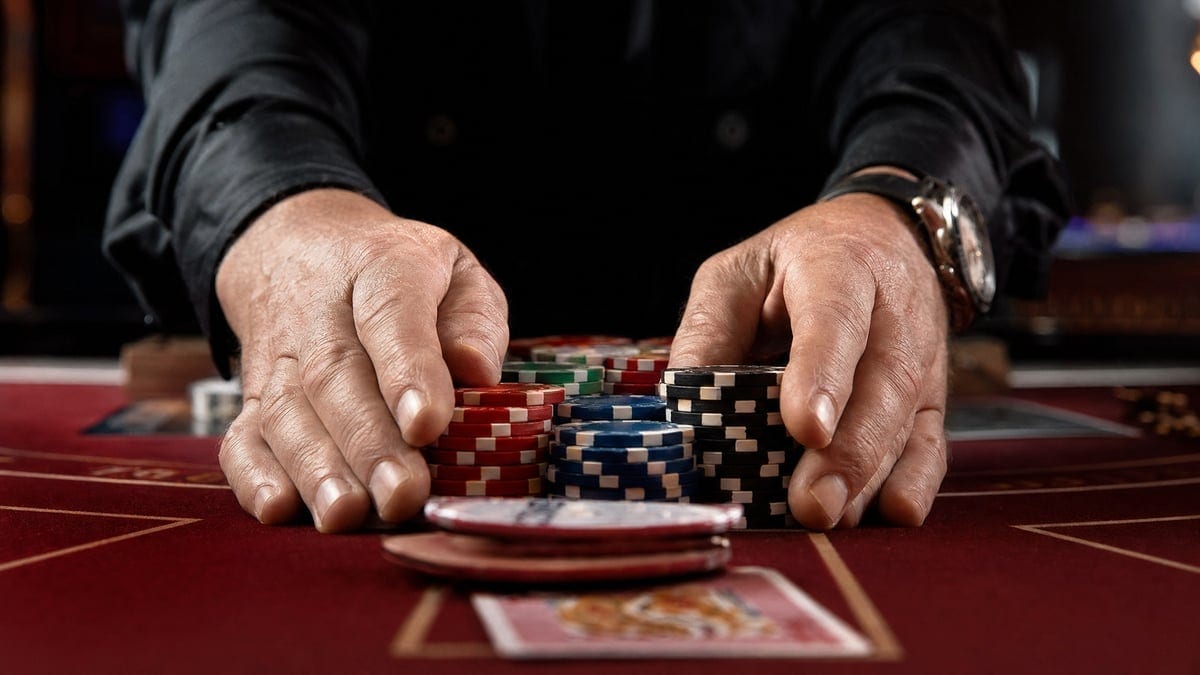
The Airball Factor Changes Everything
Nik Airball isn’t your typical nosebleed grinder. In just eighteen months, he’s dropped nearly $1 million on stream - but he keeps coming back, keeps firing, keeps creating the kind of action that makes Hustler must-watch TV.
And here’s the thing about playing against someone who’s stuck seven figures: they get desperate. They start forcing spots. They turn their missed draws into bluffs at the worst possible times.
Or do they?
That’s the mindjuego Robl had to solve in real-time. After tanking for six minutes - an eternity in live poker - he mucked his nut flush face up. Airball showed… nothing. Mucked his hand. Let the mystery linger.
Live Poker’s Dirty Secret
The online grinders calling Robl an idiot are missing something fundamental about nosebleed live games. These aren’t anonymous avatars clicking buttons. These are human beings who’ve been breathing the same recycled casino air for ten hours straight.
Robl noticed something. Maybe it was how Airball’s hands moved when he counted out the bet. Maybe it was the timing - too fast for a bluff, too confident for someone who just watched his draw brick out. Maybe it was pure instinct honed over millions of hands.
“I’ve seen Robl make these soul reads before,” posted Doug Polk, who’s battled in these games himself. “Sometimes you just know.”
The beauty of high stakes live poker is that being “balanced” matters less than being right. You’re not playing against a database that’ll exploit your folding frequency over 100,000 hands. You’re playing against one person, right now, in this moment.
Why This Hand Actually Matters
Forget whether Robl was right or wrong - we’ll never know since Airball mucked. What matters is that this hand perfectly captures the eternal battle between new school and old school poker.
The solver generation wants poker to be pure. Mathematical. Solved. But players like Robl remind us that at the highest stakes, poker remains stubbornly, beautifully human.
Sure, you need to understand equity and GTO principles. But when someone slides $300K across the felt and your gut screams danger? Sometimes the solver can wait.
The kids studying their charts might not get it. But anyone who’s sat across from a desperate opponent in a massive pot knows exactly why Robl folded. In poker’s biggest moments, the best play isn’t always the right play. Sometimes it’s the play that keeps you in the game tomorrow.
And maybe that’s why Robl has been crushing these stakes for two decades while the GTO wizards keep refreshing their solver subscriptions, still trying to figure out what went wrong.


