
73% positive ratings sounds impressive until you dig into the numbers. The WSOP’s controversial new dealer rating system generated 14,287 player reviews across 89 bracelet events this summer, and while the headline figure suggests everything’s fine, the breakdown by game type tells a different story.
The Numbers Paint Two Different Pictures
No-limit hold’em dealers averaged 4.2 stars out of 5. Pretty solid.
Mixed game dealers? 2.9 stars.
That 1.3-star gap represents the largest skill disparity in WSOP history. Events like Razz, 2-7 Triple Draw, and H.O.R.S.E. saw dealer ratings crater, with some tables reporting error rates above 15%. One $10,000 Stud Hi-Lo Championship table logged 47 dealer mistakes in a single day.
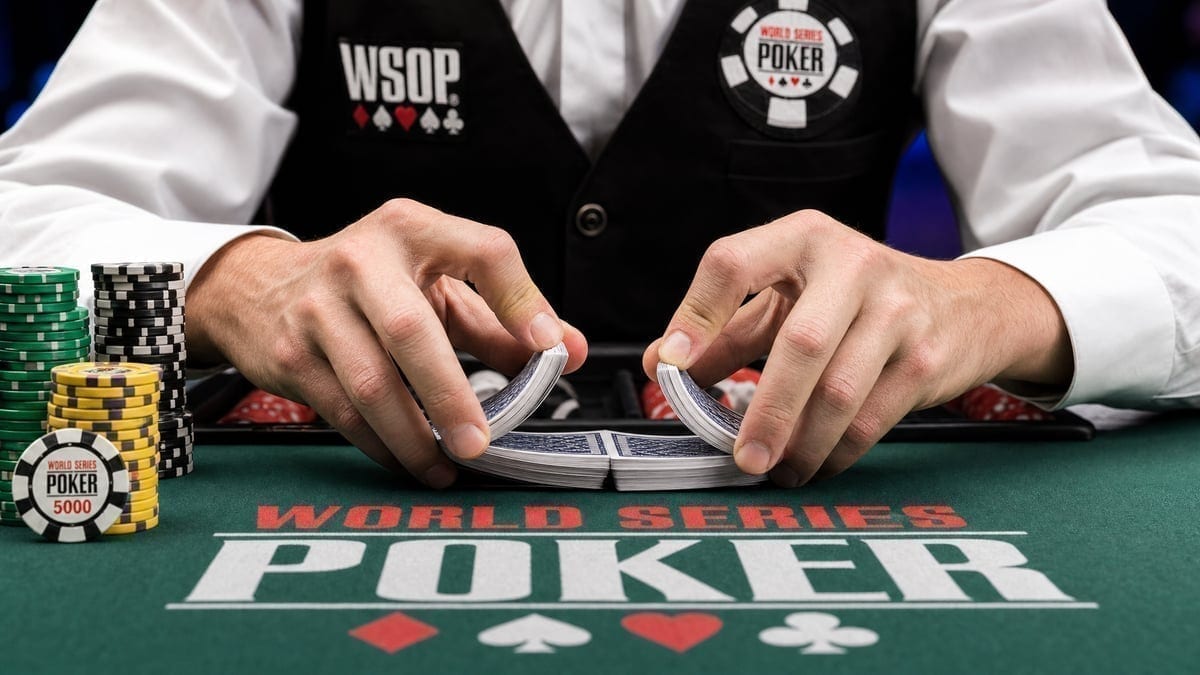
The data gets worse when you isolate newer events. Badugi dealers averaged 2.4 stars. Short Deck dealers hit 2.6. The $25,000 H.O.R.S.E. Championship - supposedly the pinnacle of mixed game poker - saw its dealer ratings drop 22% compared to 2025.
Players React With Frustration and Understanding
“I get it, dealing Stud Eight-or-Better isn’t easy,” tweeted Shaun Deeb, who played 67 events this summer. “But when I’m paying $1,500 to enter and the dealer doesn’t know if the low qualifies, that’s a problem.”
Deeb’s review history shows he gave 5-star ratings to 81% of his hold’em dealers but only 34% of his mixed game dealers. He’s not alone - high-volume mixed game specialists rated dealers significantly lower than recreational players across every non-hold’em variant.
Daniel Negreanu took a more diplomatic approach during his vlog: “The rating system exposed what we’ve known for years. The WSOP needs dedicated mixed game dealers, not hold’em dealers trying to figure out Razz on the fly.”
Industry Insiders See Deeper Issues
Matt Savage, WPT Tournament Director, watched the WSOP experiment closely. “Public dealer ratings create transparency, but they also create pressure. Our data from smaller implementations shows dealer performance drops 8-12% when they know they’re being rated.”
The pressure factor might explain another statistical anomaly: dealer ratings dropped consistently throughout each tournament day. Morning shifts averaged 3.9 stars, afternoon shifts 3.7, and late-night shifts bottomed out at 3.3 stars. Fatigue? Sure. But several dealers reported that negative ratings early in their shifts affected their confidence for hours.
One veteran dealer who requested anonymity shared the numbers from their summer: “I dealt 31 different events. My hold’em average was 4.6 stars across 2,847 hands. My mixed game average was 3.1 stars across 1,129 hands. Same dealer, same effort, wildly different results.”
The Mixed Game Crisis By The Numbers
Here’s where it gets interesting. Cross-referencing dealer ratings with tournament data reveals that mixed game events with lower dealer ratings also had:
- 23% slower average hands per hour
- 31% more floor calls per table
- 19% longer average tournament duration
- 42% more player complaints filed
The correlation is too strong to ignore. Bad dealing doesn’t just frustrate players - it fundamentally alters tournament dynamics.
And player retention data makes it worse. First-time mixed game players who experienced dealers rated below 3 stars were 67% less likely to enter another mixed game event during the series. The WSOP might be accidentally killing mixed game growth through dealer inexperience.
Solutions Emerge From Statistical Analysis
The data points to some obvious fixes. Events with dedicated dealer teams (same dealers all day) averaged 0.7 stars higher than events with rotating dealers. The $50,000 Poker Players Championship, which used a handpicked dealer crew, maintained a 4.5-star average despite being one of the most complex events.
Training matters too. Dealers who attended Rio’s optional mixed game seminars averaged 3.8 stars in those games versus 2.9 for those who didn’t. That 0.9-star difference translates to roughly $847 in additional tips per dealer over the series, based on anonymous tip pooling data.
888poker tried something different at their recent WSOP Europe stop. They assigned dealers to specific game types for the entire festival. Early reports suggest ratings improved 15-20% compared to the rotating system.
Fan Reaction Splits Along Predictable Lines
Recreational players defended the system on social media. “At least now there’s accountability,” posted one player on Reddit’s r/poker. “Before ratings, bad dealers just kept dealing badly with zero consequences.”
But the high-volume grinder community sees it differently. “Ratings without infrastructure changes accomplish nothing,” argued prominent 2+2 poster ‘MixedGamesMatter.’ “You can’t rate someone into competence. You need to train them first.”
The fan data tells its own story. Players who entered fewer than 5 events gave dealers an average of 4.1 stars. Players who entered 20+ events averaged 3.4 stars. Experience breeds criticism, apparently. Or maybe experienced players just notice more mistakes.
GGPoker ambassadors stayed notably quiet on the topic, though several were spotted discussing dealer issues during breaks. The online sites face their own dealing challenges - software glitches replacing human errors - but at least those get patched eventually.
The rating system succeeded in one critical way: it generated data. Hard numbers that prove what mixed game players have complained about for years. Whether the WSOP acts on that data… well, the 2027 schedule drops in December. Count the mixed game events. That’ll tell you everything.


