
The rumbling started in Atlantic City poker rooms last week. Whispers about a “game-changing” tour. Now we know what the fuss was about.
Tour Built for Grinders
A new mid-stakes tournament circuit called the US Tournament Pro Tour (UST) will launch this summer with 25 stops nationwide and $20 million in total guarantees. Buy-ins range from $500 to $5,000 - squarely targeting the working pro demographic that’s been squeezed out by nosebleed high roller events and micro-stakes fields.
The tour kicks off July 18-28 at Thunder Valley Casino Resort near Sacramento with a $2,500 Championship event carrying a $1 million guarantee.
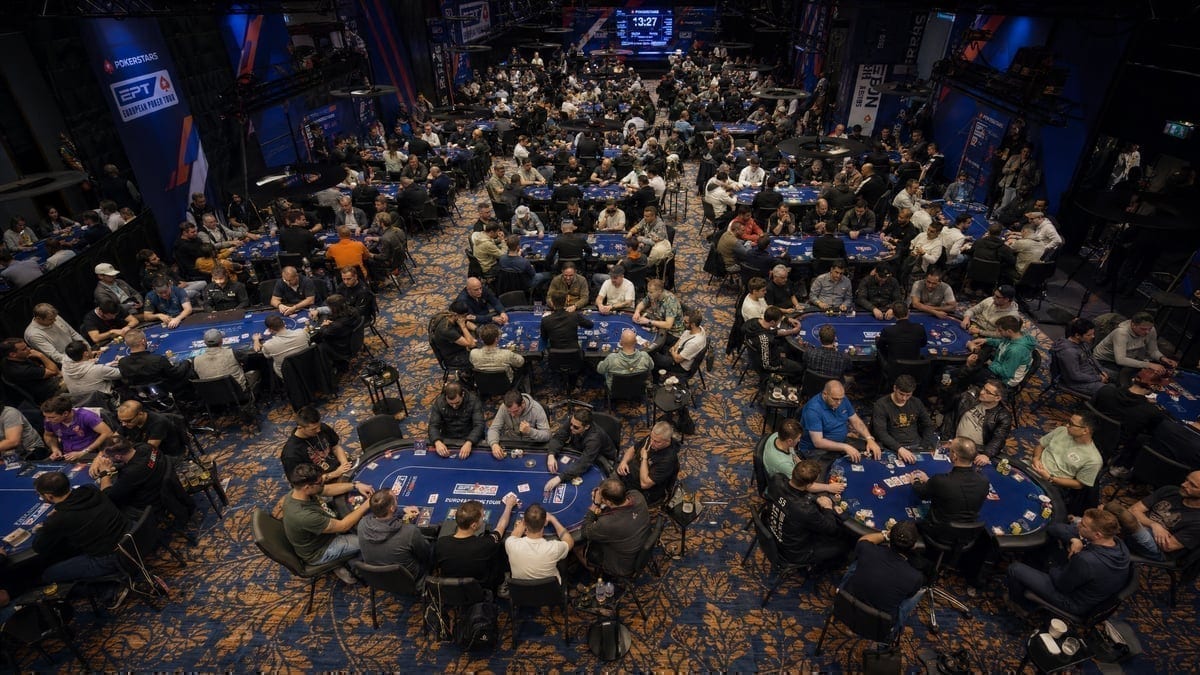
“We built this for the guys grinding $1K and $2K events who can’t justify dropping $25K on a single tournament,” says UST founder Marcus Chen, a former WSOP Circuit regular who spent three years assembling venue partnerships. “There’s this massive gap between local dailies and super high rollers. That’s our sweet spot.”
The schedule hits major markets monthly: Los Angeles (Commerce Casino), Phoenix (Talking Stick), Denver (Black Hawk casinos), Chicago (Horseshoe Hammond), and a rotating East Coast stop between Borgata, Foxwoods, and Maryland Live.
But here’s where it gets interesting - cada parada includes Spanish-language commentary for feature tables. The tour signed former Liga Latina de Poker commentator Roberto Molina to lead bilingual coverage.
Money Flows Different
UST’s payout structure breaks from industry norms. Instead of top-heavy prizes that make final tables worth 10x the min-cash, they’re flattening distributions. A typical $1,500 event will pay 20% of the field with min-cashes worth 2.5x the buy-in. First place gets 15-18% of the prize pool versus the standard 20-25%.
“Look, we want players to actually make a living,” Chen explains during our call from Vegas, where he’s recruiting dealers for the tour. “Winning matters, obviously. But if you’re cashing 20% of the time, you need those cashes to mean something.”
The tour’s also implementing a “Grinder Miles” program - essentially rakeback for live tournaments. Players earn points based on buy-ins that convert to tournament credits. Hit certain thresholds and you’re getting 5-10% back in future entries.
And in a move that’ll make online grinders smile, late registration closes after just four levels. No more dealing with fresh 100 big blind stacks when you’ve been battling for six hours.
Timing Everything
Chen’s crew studied traffic patterns at every major US poker room for two years. They’re deliberately counter-programming against established tours.
“When WPT hits Vegas, we’re in Florida. When WSOP Circuit runs East Coast stops, we’re in California. Simple as that.”
The July launch at Thunder Valley isn’t random either. It sits perfectly between WSOP fatigue and the fall tournament rush. Players coming off seven weeks in Vegas often need a break before diving back in. UST gives them three weeks to recover, then offers a softer field with serious guarantees.
Each stop runs 10-12 days with 15-20 events. Main Events fall on weekends but the real innovation might be their “Weekday Warrior” series - $500-800 tournaments specifically scheduled for Tuesday through Thursday when recreational players can’t compete.
Behind the Money
Funding comes from an unusual source: retired tech executives who made their fortunes in the first dot-com boom and discovered poker during COVID lockdowns. Lead investor Tom Morrison sold his cloud computing company for nine figures in 2019 and started playing $5/$10 at Bay 101.
“These aren’t traditional casino guys,” notes Allen Park, who runs the popular NorCal Poker Players Facebook group. “They’re approaching it like a tech startup - gather data, iterate quickly, scale what works.”
The tech influence shows in other ways. Every UST event will feature RFID tables for hole card streaming, but they’re partnering with content creators rather than traditional TV. Solve for Why gets exclusive feature table rights. Jonathan Little’s team will produce strategy segments between levels.
And yes, there’s an app. Real-time chip counts, table draws, and - here’s the kicker - players can pre-register for specific seats if they’re willing to pay a 10% premium. Hate having position on aggressive regs? Problem solved.
Some venues are already reporting unusual advance interest. Thunder Valley’s poker room manager says they’ve received “hundreds” of inquiries about hotel blocks for the inaugural stop. Commerce Casino added extra dealers for their September dates after early registration projections.
Chen knows the mid-stakes market has been burned before by tours that promised big and delivered overlays. But he’s betting that post-pandemic poker - with its explosion in recreational players and content consumption - has room for a tour that treats $1,500 buy-in players like high rollers.
“Every other sport has multiple professional leagues,” he says. “Poker’s big enough now for more than one or two major tours. We just need to serve different audiences.”
First cards fly July 18. Then we’ll see if America’s tournament grinders agree.


