
The World Series of Poker just dropped a hiring call that says everything about where poker media is heading. They’re recruiting content creators for the 2026 summer series - not journalists, not TV producers, but TikTokers, vloggers, and Instagram storytellers. And honestly? It’s about time.
This isn’t some token social media play either. The WSOP brass clearly sees what everyone else in the industry has been slow to grasp: traditional poker coverage is dying, and the kids with ring lights and iPhones own the future.
The Death of Traditional Coverage
Remember when poker TV was king? Those days are toast. ESPN might be coming back for the Main Event final table, sure, but that’s more nostalgia play than growth strategy. The real action happens on YouTube, Instagram, and TikTok now.
Just look at the numbers. Brad Owen pulls more views on a single vlog than most televised poker shows get in their entire run. Rampage Poker turned a $5K bankroll challenge into a media empire. These guys didn’t wait for permission from the poker establishment - they just started filming.
And the WSOP noticed. They’ve watched content creators turn random Tuesday $1,500 events into must-see content while their official coverage struggled to keep pace. Smart money says they finally realized they need these creators more than the creators need them.
The New Media Landscape
Here’s what’s wild about this shift: the WSOP isn’t just hiring video editors or social media managers. They want actual content creators - people who understand the platforms, have their own voice, and know how to make a 47-second vertical video more engaging than a two-hour broadcast.
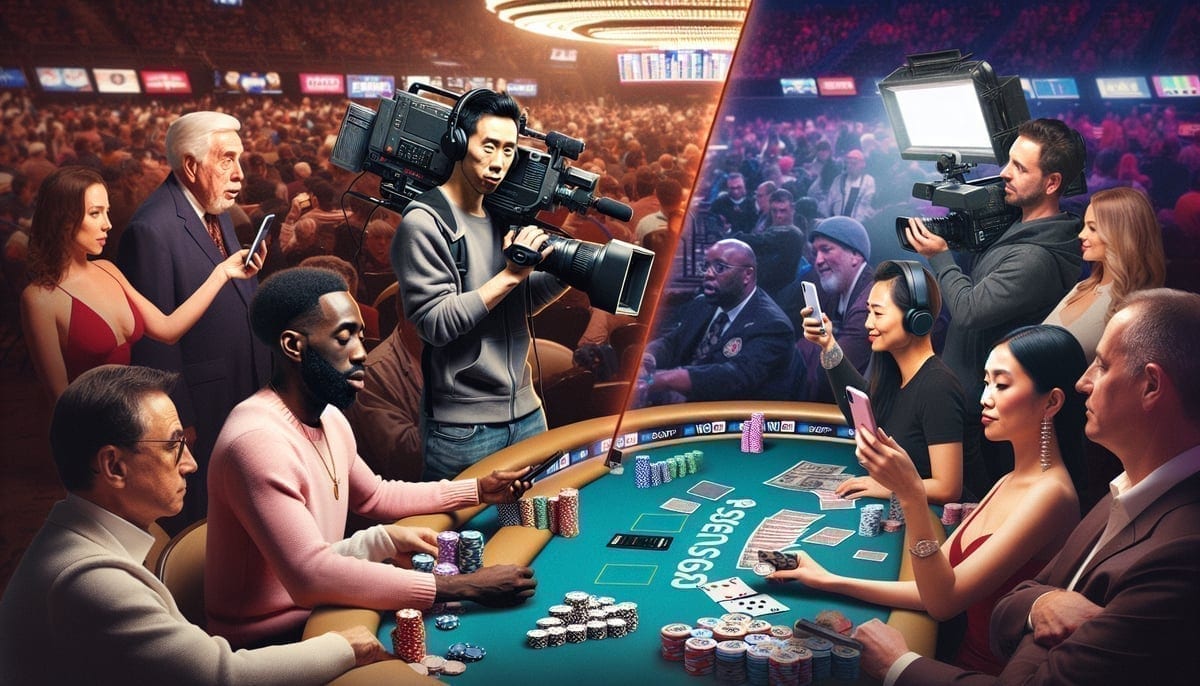
The job posting reads like a wishlist of every platform skill imaginable. TikTok expertise? Check. Instagram Reels? Essential. YouTube Shorts? You better believe it. They even want people who understand livestreaming - because apparently watching someone grind Day 1 of the Millionaire Maker is what the people want.
But here’s the kicker: they’re not asking for journalism degrees or broadcast experience. They want creators who get poker culture, speak the language, and can spot a story when they see one. Someone who knows why a guy folding pocket kings preflop is content gold, not just another hand.
What They’re Looking For
Based on the posting, the WSOP wants creators who can do it all. Film player interviews between hands. Capture the heartbreak of a brutal bad beat. Show the human side of poker that TV always missed.
They need people who understand that a 15-second clip of Phil Hellmuth having a meltdown will get more engagement than a perfectly produced segment about pot odds. People who know that showing someone’s pre-tournament ritual - lucky card protector, same seat preference, whatever - tells a better story than any talking head ever could.
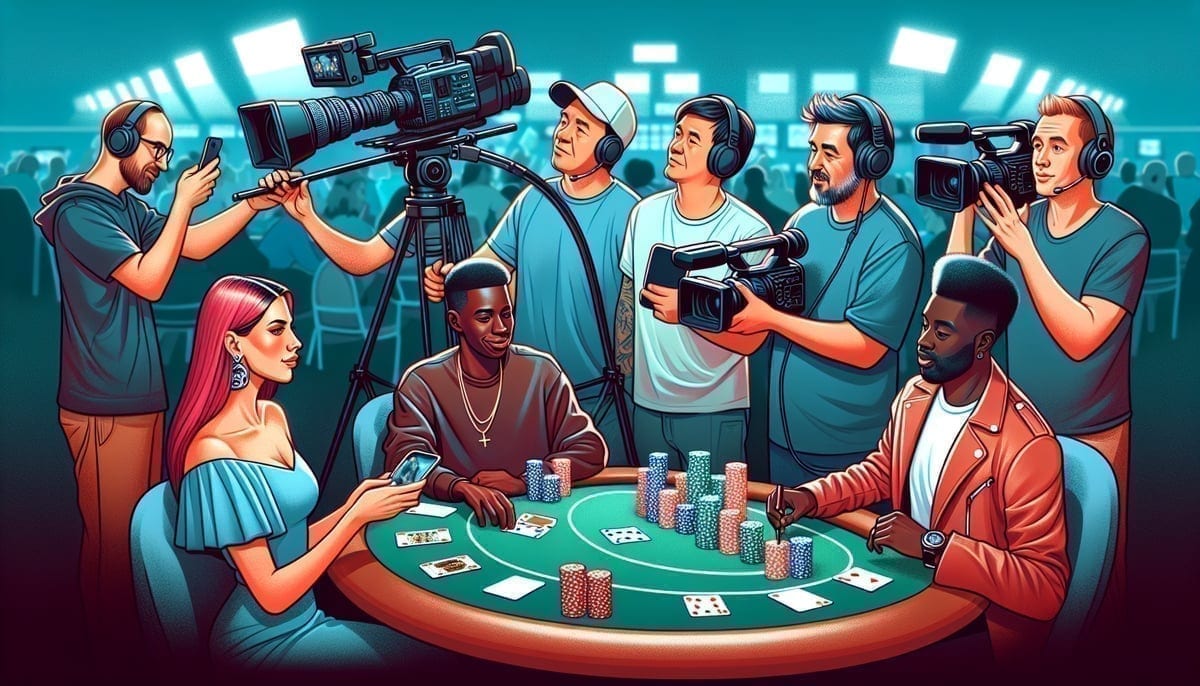
And timing matters. These creators need to pump out content in real-time, not wait for post-production. When someone wins their first bracelet at 3 AM, that story needs to be on Instagram by 3:15. Speed beats perfection in the content game.
The Money Question
Here’s where it gets interesting. The WSOP hasn’t disclosed pay rates, but industry whispers suggest they’re ready to spend real money. Makes sense when you think about it - hiring five solid creators for the whole summer probably costs less than one episode of traditional TV production.
But the smart creators won’t just be looking at the WSOP paycheck. This gig is a golden ticket to build your own brand. Imagine having official access to every big moment, every star player, every final table. The content opportunities are endless.
Some creators will probably negotiate deals that let them post to their own channels too. Why wouldn’t the WSOP allow it? More content means more eyeballs on their brand. It’s free marketing with a personal touch that no ad campaign could match.
What This Means for Players
Players should be pumped about this shift. Traditional TV coverage meant waiting months to see yourself on ESPN, usually edited down to one hand where you got coolered. Now? You might be trending on TikTok before you even bag your chips.
The smart players are already adapting. Daniel Negreanu has been vlogging for years. Phil Ivey finally joined Instagram. Even old-school grinders realize that building a following matters almost as much as building a bankroll these days.
But it cuts both ways. Every blow-up, every angle shoot, every controversial hand will be captured and shared instantly. The days of “what happens at the poker table stays at the poker table” are long gone. Players better be on their best behavior - or at least their most entertaining behavior.
The Content Creator Gold Rush
This WSOP move will trigger a gold rush. Every aspiring poker content creator will be flooding Las Vegas this summer, official hire or not. The Rio parking lot used to be full of grinders living in RVs. Now it’ll be content creators with ring lights and laptop editing stations.
And why not? The barrier to entry has never been lower. You don’t need expensive equipment or industry connections. Just a phone, some personality, and the ability to spot a good story. Hell, some kid with 50 followers today could be the next big poker personality by August.
The online poker sites are watching this closely too. If the WSOP can make content creation a core part of their strategy, expect PokerStars, GGPoker, and everyone else to follow suit. The next boom won’t come from TV deals - it’ll come from TikTok.
The Future of Poker Media
So where does this leave traditional poker media? Adapting or dying, mostly. The smart outlets are already pivoting to video, hiring younger voices, and meeting audiences where they live. The stubborn ones will keep writing 3,000-word strategy articles that nobody under 30 will ever read.
This WSOP hiring spree is just the beginning. Soon every major tournament series will have embedded content creators. Every poker site will sponsor vloggers. Every training site will be on YouTube. The entire poker economy is shifting toward creator-driven content.
And honestly? Poker needs this. The game has struggled to attract new players for years. Traditional marketing wasn’t working. But show someone a funny TikTok of a soul read, or an Instagram reel of a massive pot, and suddenly poker looks fun instead of intimidating.
The WSOP gets it. They’re not just hiring content creators - they’re investing in poker’s future. Because if you want to grow the game, you need to speak the language of the people you’re trying to reach. And that language isn’t spoken on ESPN anymore. It’s spoken in stories, reels, and 60-second videos.
May can’t come fast enough. This summer’s WSOP won’t just crown new champions - it’ll crown a new generation of poker storytellers. And that might be the best thing to happen to poker since the Moneymaker boom.


