
The $737K Question
Inside a nondescript office building in Pittsburgh, BetRivers executives watched their April revenue numbers tick upward. $700,000. $720,000. Finally settling at an estimated $737,000 - the highest monthly rake total in the operator’s five-year history.
The timing couldn’t have been more unlikely. FanDuel Poker had just launched with PokerStars software and massive guarantees. GGPoker’s Ontario operation was exploding with 400% traffic increases. Every major operator seemed to be throwing money at players through overlays and promotions.
Yet somehow, the regional operator that started as a Pennsylvania-only site was posting its best numbers ever.
Cross-State Liquidity Changes Everything
The secret sauce? BetRivers’ patient approach to building cross-state player pools. While flashier brands fought turf wars in individual states, the Rush Street Interactive-owned platform quietly connected Pennsylvania, New Jersey, Michigan, and Delaware into a single ecosystem.
“We’re seeing 40% more cash game tables running during peak hours compared to last April,” says a source familiar with the platform’s operations. “The Delaware addition in March was small numerically but huge psychologically. Players see four states connected and assume we’re building something bigger.”
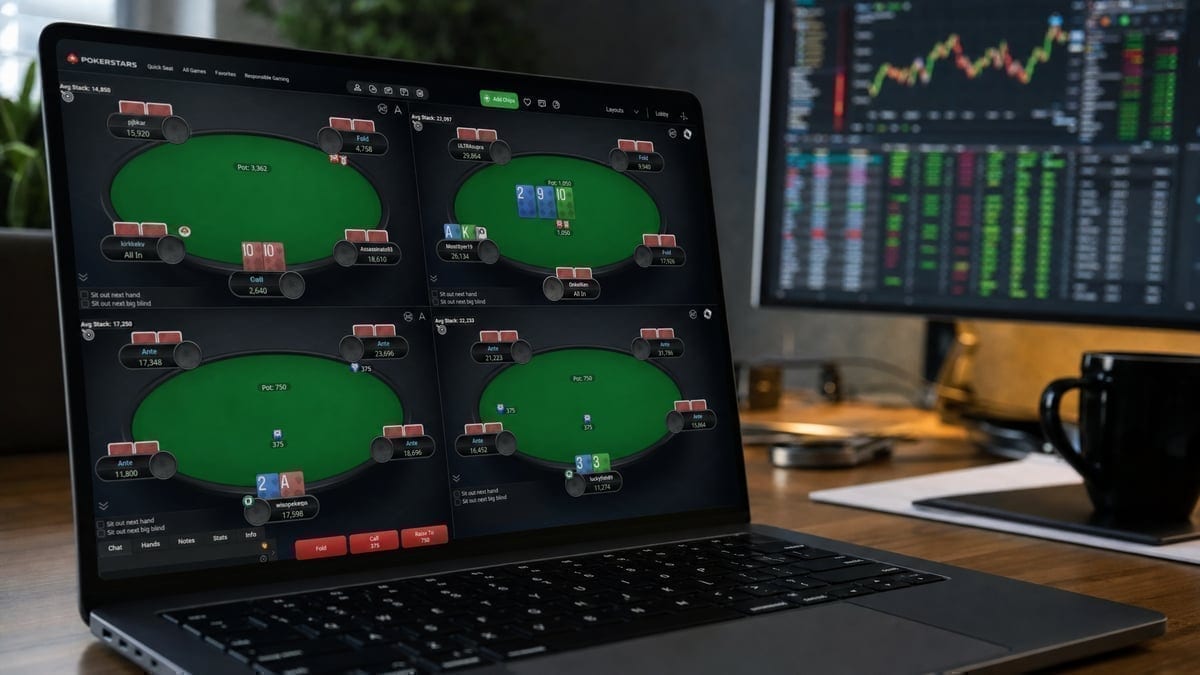
The numbers tell the story. Pennsylvania alone contributed an estimated $380,000 of the April haul, up 18% year-over-year. New Jersey added $215,000. Michigan chipped in $127,000. And Delaware, despite its tiny population, managed $15,000 in its first full month.
But raw revenue only captures part of the picture. BetRivers’ cost structure looks radically different from its competitors. No million-dollar guarantee tournaments bleeding cash. No celebrity ambassadors demanding appearance fees. Just steady, profitable growth built on rakeback programs and sustainable promotions.
The Phil Factor
Phil Hellmuth’s weekly home game deserves its own line item in any BetRivers analysis. The show pulls a million views per episode - numbers that would make many cable TV executives jealous. But here’s what most observers miss: those viewers convert to players at rates that dwarf traditional advertising.
“Hellmuth brings credibility we couldn’t buy,” admits one BetRivers insider. “When he sits down at our tables between episodes, recreational players literally wait in queues to play with him.”
The economics work because BetRivers isn’t paying for Hellmuth like a traditional sponsorship. Instead, they’ve created a revenue-sharing model where both parties benefit from growth. It’s the same philosophy behind their Hot Tables cash drops and added prize tournaments - sustainable incentives rather than loss-leader promotions.
Market Dynamics Shifting Fast
The broader US online poker world looks increasingly bifurcated. On one side, you have the VC-backed platforms burning cash to acquire players: FanDuel’s overlays, GiddyUp Gaming’s free-roll model, sweepstakes sites skirting regulations.
On the other, operators like BetRivers focus on unit economics. Every tournament must profit after guarantees. Every promotion needs positive ROI within 90 days. Every software update targets player retention over acquisition.
This divide reflects a fundamental disagreement about online poker’s future in America. The cash-burners believe we’re in a land-grab phase where market share today translates to monopoly profits tomorrow. The unit-economics crowd sees a mature industry where sustainable margins matter more than growth rates.
Software That Actually Works
BetRivers’ recent software overhaul might not generate headlines like a celebrity signing, but it’s driving real results. Mobile deposits increased 34% in April. Average session time jumped 18 minutes. Most tellingly, customer support tickets dropped 40% despite higher volume.
“We spent six months studying friction points,” explains a product manager involved in the update. “Why did players leave tables? Where did deposits fail? Which tournament lobbies confused people? Then we fixed those specific issues instead of chasing flashy features.”
The approach mirrors successful regional businesses in other industries. While Silicon Valley startups pursue moonshots, companies like Buc-ee’s or Wawa perfect the basics. Great product, fair prices, consistent experience. Boring? Maybe. Profitable? Absolutely.
The Path Forward
BetRivers faces real challenges despite April’s success. FanDuel’s deep pockets pose an existential threat if they’re willing to lose money indefinitely. International operators keep circling the US market, waiting for federal regulation. Even successful regional sites struggle to attract younger players accustomed to GGPoker’s gamification or crypto poker’s anonymity.
But the April numbers suggest there’s room for multiple models in US online poker. Not every player wants a million-dollar Spin & Gold jackpot or celebrity-filled live streams. Some just want fair games, fast cashouts, and sustainable promotions that won’t disappear when venture capital runs dry.
The next test comes this summer. BetRivers has scheduled another cross-state series with $500,000 in guarantees - ambitious for a regional operator but conservative compared to competitors’ million-dollar promises. If they can fill those guarantees while maintaining profitability, it validates their entire approach.
For now, that Pittsburgh office building houses something rare in modern online poker: a profitable operation growing without gimmicks. In an industry obsessed with the next big thing, sometimes the real innovation is just running a good business.


