
The World Series of Poker just dropped a bombshell that’s got the poker world buzzing. After a five-year absence, the WSOP Main Event is returning to ESPN - but with a twist that hasn’t been seen since 2016. The final table will feature a 20-day break between reaching the final nine and actually playing for the bracelet.
This marks a major shift in how the biggest tournament in poker gets broadcast. And honestly? Players and fans are split right down the middle on whether this is genius or madness.
Back to the Future
For those who weren’t around during the original “November Nine” era from 2008-2016, here’s the deal: The WSOP would play down to nine players in July, then everyone would pack up and reconvene months later for the final table. Back then, it was in November. This time, sources indicate the break will be shorter - likely playing out in early August.
The format change comes as ESPN reclaims the broadcasting rights to poker’s most prestigious event. After PokerGO held exclusive rights for several years, ESPN swooped back in with what industry insiders are calling “an offer WSOP couldn’t refuse.”
“We’re thrilled to bring the Main Event back to ESPN,” a WSOP representative told me. “The 20-day break allows us to build proper storylines, create compelling content, and give these players the spotlight they deserve.”
But not everyone’s buying what they’re selling.
The November Nine Redux?
Veteran pros who lived through the November Nine era have mixed feelings. Some loved the break - it gave them time to study opponents, hire coaches, and actually prepare for the biggest final table of their lives. Others hated the momentum killer.
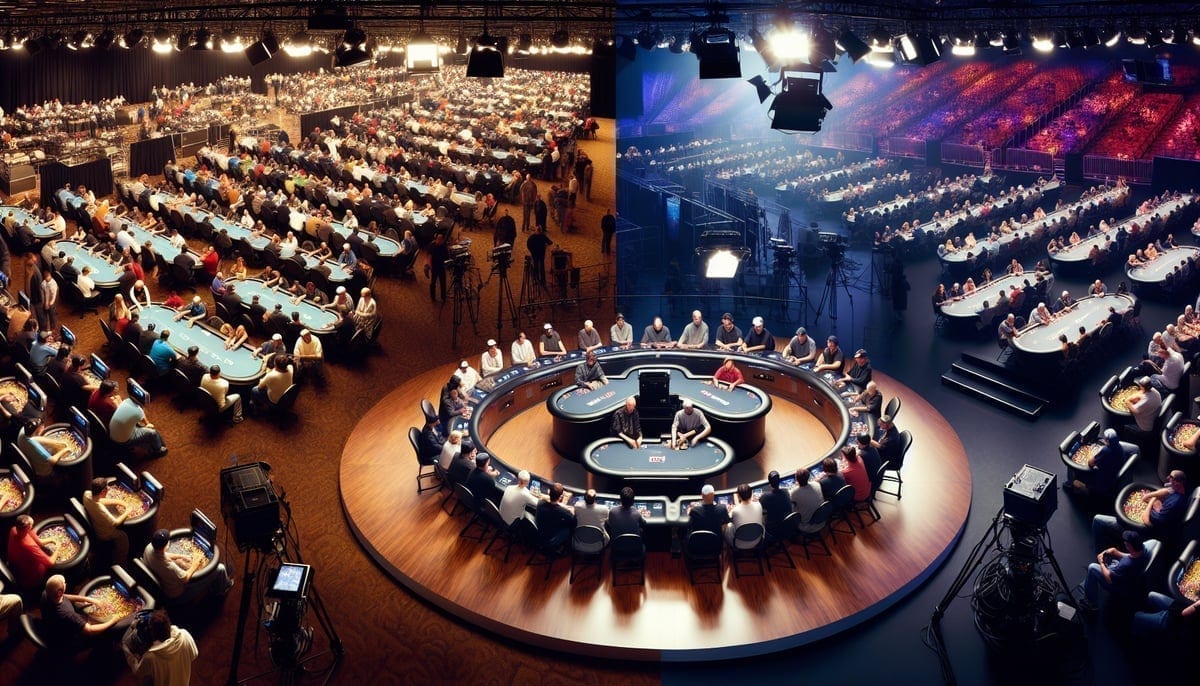
Daniel Negreanu tweeted his thoughts within minutes of the announcement: “The delay format creates drama and gives recreational players a real shot to prepare. I’m all for it.”
Meanwhile, online crusher “GTO_Machine” posted on TwoPlusTwo: “This is such a step backward. Poker is about playing in the moment, reading live dynamics. A 20-day break kills all of that.”
The logistics alone are mind-boggling. Players will need to secure their chips, fly home (or stay in Vegas at their own expense), and then return for the final table. For international players, this means dealing with visa issues twice.
ESPN’s Grand Plan
So why bring back a format that WSOP themselves abandoned? Simple: television.
ESPN wants time to produce player profiles, hometown segments, and all the human interest stories that made poker appointment viewing during the Moneymaker boom. They’re reportedly planning a full media blitz during the break, including appearances on SportsCenter and other ESPN properties.
“Live poker doesn’t translate well to television without context,” one ESPN producer explained off the record. “This gives us time to tell these players’ stories properly.”
The network is also launching a documentary series covering each final table player during the break. Think “Hard Knocks” but for poker. Cameras will follow players as they prepare, showing their home lives, training sessions, and the pressure of waiting for poker’s biggest moment.
What This Means for Players
Here’s where things get really interesting. The delay format fundamentally changes final table strategy.
With 20 days to prepare, short stacks can hire the best coaches in the world to analyze every hand their opponents have played. Chip leaders lose their momentum advantage. Everyone gets to study everyone else’s tendencies in microscopic detail.
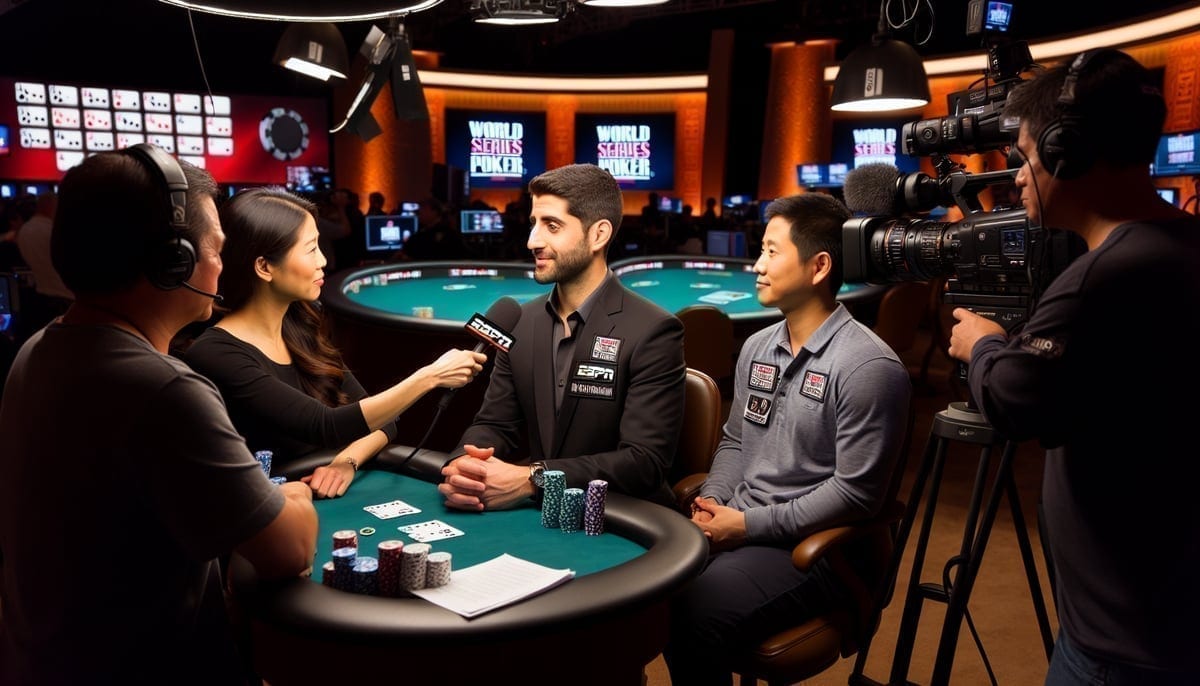
“It becomes a completely different game,” says Phil Hellmuth, who made one November Nine final table in 2012. “You go from playing poker to playing game theory. Not saying that’s bad, just different.”
The mental game aspect is huge too. Imagine sitting at home for three weeks knowing you’re guaranteed at least $1 million but could win $12 million. Every amateur who makes the final nine will be getting contacted by backers, sponsors, and agents. The pressure is unreal.
One positive: players can actually rest. The Main Event is a grueling week-long marathon. Having a break means the final table won’t feature nine exhausted zombies making punt after punt.
The Business of Delays
Let’s talk money. Because that’s what this is really about.
ESPN is reportedly paying a massive rights fee - rumored to be in the eight-figure range annually. They need this format to create compelling television that justifies that investment. A random Tuesday night in July doesn’t draw ratings. A heavily promoted August finale does.
For the WSOP, it’s a no-brainer. More exposure means more entries next year. The November Nine years saw consistent growth in Main Event fields. When poker is on ESPN, casual players take notice.
Sponsors love it too. Instead of one chaotic week, they get an extended marketing window. Expect to see final tablists signed to patch deals during the break - another revenue stream that didn’t exist in the rushed format.
Technical Challenges
Not everything about this format is rosy. There are serious logistics to work out.
First, chip security. The WSOP needs to bag, tag, and store nine players’ chips for three weeks. Any discrepancy would be a disaster. They’re reportedly upgrading their chip tracking system specifically for this.
Second, the dealing situation. Will the same dealers work the final table? What about floor staff? Maintaining consistency after a long break is key for fairness.
Third, online qualifiers and international players face unique challenges. Not everyone can afford two trips to Vegas. The WSOP is supposedly working on accommodation deals, but nothing’s confirmed.
The Verdict
Love it or hate it, the delayed final table is happening. The 2026 WSOP schedule is already set, with the Main Event running July 3-14 and the final table scheduled for August 3-5.
For poker purists, this feels like a step backward - prioritizing TV drama over competitive integrity. But here’s the thing: poker needs mainstream exposure to thrive. If a three-week delay gets the Main Event back on SportsCenter and creates new fans, maybe it’s worth it.
The real test will be the players. If they embrace the format and create compelling television, this could spark another poker boom. If they complain publicly and the final table becomes a nitfest after three weeks of solver work, ESPN might bail again.
One thing’s certain - the 2026 WSOP Main Event just became must-see TV. Again.


