
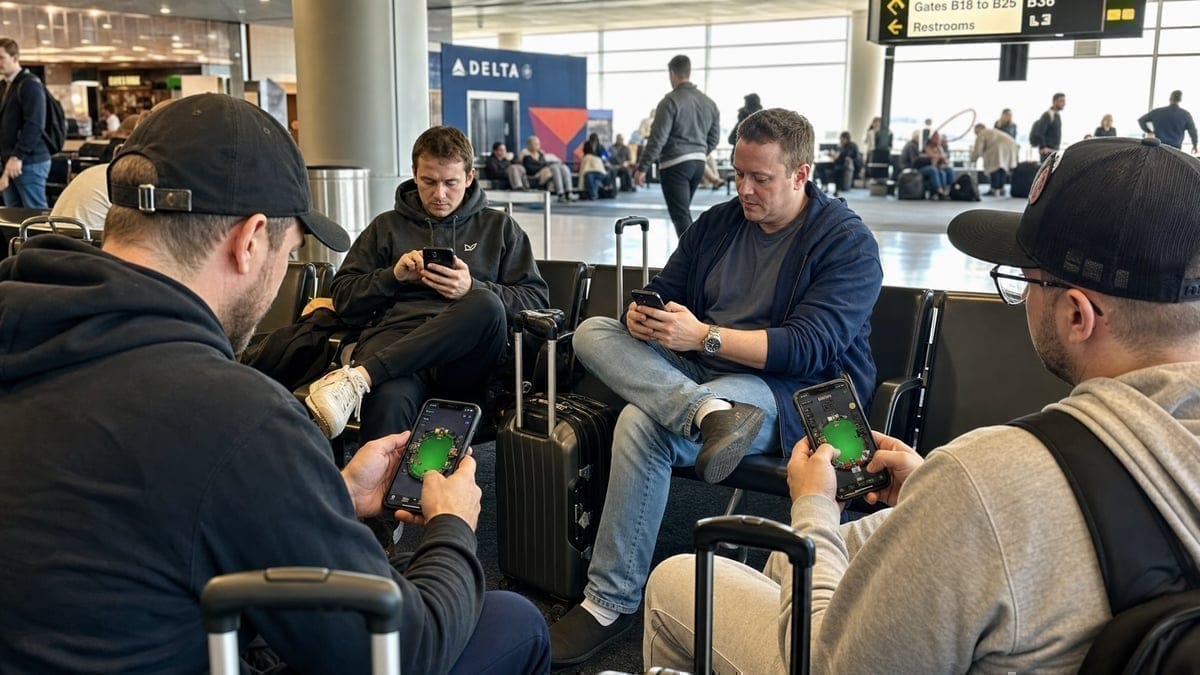
The departure lounge at Heathrow has become poker’s version of a refugee camp. Every week, another British pro posts their farewell selfie from Terminal 5, boarding pass to Malta or Gibraltar in hand. They’re not chasing better weather – they’re running from a tax bill that just went from annoying to apocalyptic.
The Numbers That Changed Everything
Remember when UK poker pros complained about 20% rake? Those were the good old days. Starting this April, anyone making serious money at the tables faces a combined tax rate that touches 45% once you factor in National Insurance. Do the math on a £500,000 tournament score, and you’re handing over £225,000 to Her Majesty’s Revenue & Customs.
But here’s where it gets really ugly. Unlike countries with proper poker tax frameworks, the UK doesn’t let you deduct buy-ins as business expenses unless you jump through hoops that would make a circus performer dizzy. So that £500K score? You might have spent £300K in buy-ins to get there, but HMRC wants their cut of the full amount.
“Es una locura,” as we’d say back in my boxing days. Pure madness.
The timing couldn’t be worse. Just as PokerStars slashed UK rakeback from 65% to barely anything, the government decided to squeeze from the other end. Players are getting hammered from both directions – less rakeback to offset expenses, more tax on whatever profit manages to survive.
Where They’re Going (And Why It Matters)
Malta has become poker’s new promised land. Zero tax on poker winnings. Read that again. Zero.
Gibraltar runs a close second with its 10% cap on gaming income. Some pros are even eyeing up places like Cyprus or Portugal, where non-habitual resident schemes can mean a decade of tax holidays.
The exodus isn’t just about individual bank accounts. When a country’s best players leave, the entire ecosystem suffers. Local games get softer but smaller. Sponsorship deals dry up. Young players lose mentors. The UK is basically telling its poker talent to get lost, and they’re listening.
The Regulatory Blindness
What kills me is the sheer stupidity of it all. These aren’t hedge fund managers or tech CEOs – they’re poker players operating on thin margins in a high-variance profession. Most tournament pros are lucky to show profit three years out of five. Now they’re supposed to hand over nearly half their winnings while eating 100% of their losses?
The government seems to think poker players are sitting on piles of easy money. They picture every pro as Phil Ivey lighting cigars with hundred-pound notes. The reality? Most grinders are sharing flats in zone 4, grinding £200 buy-ins, trying to build a bankroll while dodging London rent prices.
And it’s not like this tax windfall is going to materialize anyway. When your tax base literally boards planes to avoid you, those projected revenues become fantasies. It’s like hosting a high-stakes game where the rake is so high that players would rather play elsewhere. Guess what happens to that game?
The Knock-On Effects Nobody Talks About
The damage spreads like a bad beat story at a home game.
Local casinos are already feeling it. The Hippodrome’s high-stakes games have thinned out. Regional stops that used to draw traveling pros now struggle to make guarantees. When the grinders leave, the ecosystem collapses from the bottom up.
Online operators servicing the UK market face a different crisis. If their sponsored pros and regular high-volume players relocate, what happens to liquidity? GGPoker can offer 50% rakeback through creative promotions, but even they can’t overcome a 45% tax rate.
The streaming and content creation scene takes a hit too. UK-based poker content creators now have to choose between their audience and their bankroll. Build your brand from Britain and hand over half your sponsorship income, or relocate and risk losing touch with your core viewership.
What Happens Next
Some pros are trying creative solutions. Setting up limited companies, exploring offshore structures, or simply playing less volume to stay under higher tax thresholds. But these are bandages on a bullet wound.
The smart money has already left. Walk through any major European poker room and you’ll spot the British expats – still wearing their hoodies from The Vic, still complaining about the local beer, but definitely not missing those UK tax bills.
For those who stay, it’s about finding ways to survive in a hostile environment. Maybe that means focusing on cash games where you can manage variance better. Maybe it means treating poker as a part-time pursuit while building other income streams. Or maybe it just means accepting that the glory days of UK poker are behind us.
The government won a battle against poker players, forcing them to pay their “fair share.” But when the battlefield empties and the players have all relocated to friendlier shores, who exactly won?


