
Phil Galfond just said the quiet part out loud. And every poker player who’s honest with themselves knows he’s right.
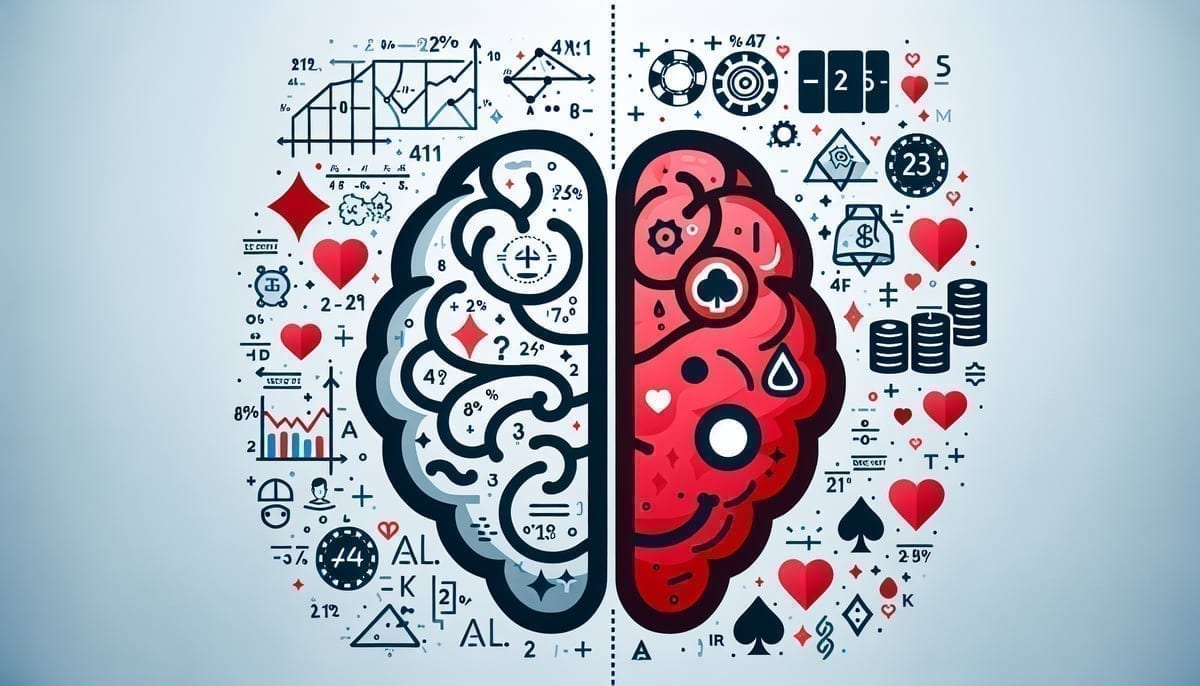
In his latest column that’s making waves across the poker community, the Run It Once founder tackles what might be the most uncomfortable truth in poker: we’re not the logical machines we think we are. Even when we’re convinced we’re playing pure GTO poker, our emotions are pulling strings behind the scenes.
“While poker is a game of math and logic, we are not robots,” Galfond writes. Coming from a guy who’s won millions playing nosebleeds and built one of the most respected training sites in poker, that’s not just philosophy - it’s hard-earned wisdom.
The $500K Bluff That Changed Everything
Galfond’s article hits different because he’s not theorizing from an ivory tower. This is a player who’s been in the trenches at stakes where a single pot can buy a house. He’s felt the weight of those decisions.
Remember his legendary $500K bluff against Phil Ivey back in 2009? Most people saw pure calculation. But Galfond admits now that emotions played a massive role. The fear, the adrenaline, the desperate need to prove himself against arguably the best player ever - all of it factored into that river shove.
That hand became poker folklore. But what Galfond’s revealing now is that even in that supposedly logical moment, emotion was driving the bus. And if it’s happening to him at those stakes, what chance do the rest of us have?
When Logic Takes a Back Seat
Here’s where Galfond’s article gets uncomfortable. He breaks down specific spots where emotions hijack our decision-making:
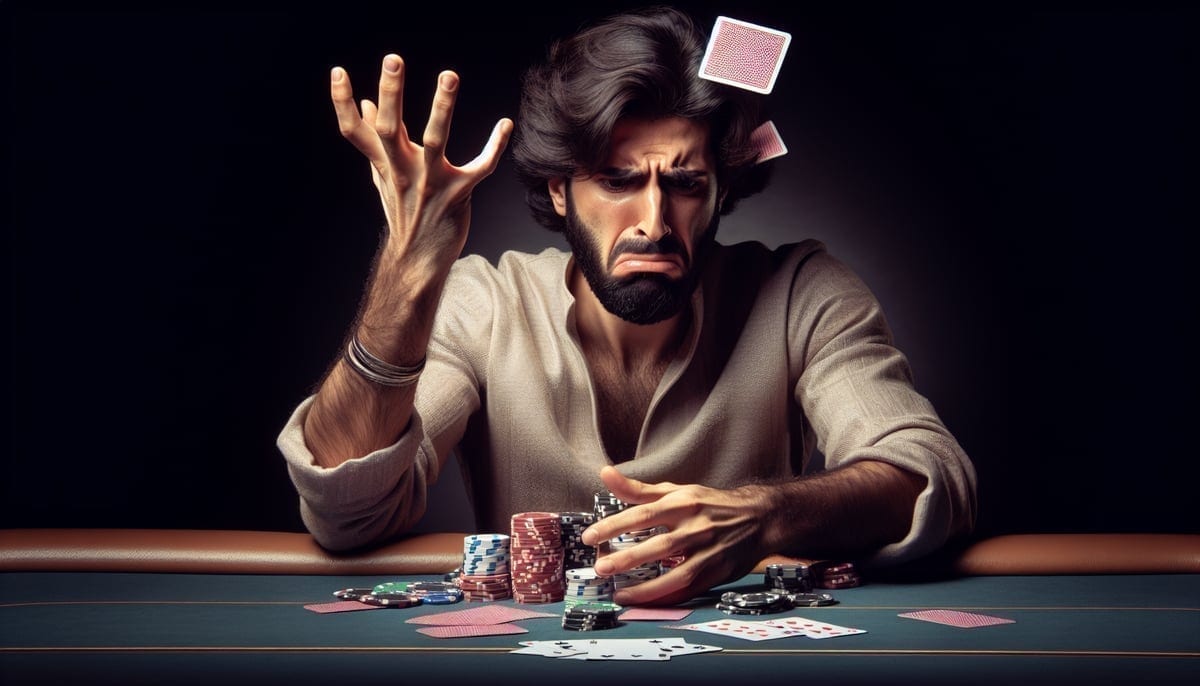
- The Revenge Call: You know that guy’s been pushing you around. Logic says fold. Emotion says show him who’s boss.
- The Scared Money Fold: Your rent money is on the line. Math says call. Fear says preserve.
- The Ego Shove: You’ve been card dead for hours. Strategy says wait. Pride says make something happen.
Every grinder reading this just felt personally attacked. Because we’ve all been there.
Galfond points to a hand from the Triton Jeju series where even Kristen Foxen - arguably the best female tournament player alive - folded kings preflop. Logic or emotion? The debate rages, but Galfond suggests both were at play. Fear of busting a $100K? Intuition about her opponent? The lines blur.
The Hidden Cost of Denying Reality
What makes Galfond’s piece essential reading isn’t just the diagnosis - it’s the prescription. Pretending we’re logic machines isn’t just wrong, it’s expensive.
“Emotions can have a significant impact on our play, and we may not even be aware of it,” he writes. That lack of awareness is where the real damage happens.
Think about your last big downswing. You probably blamed variance, maybe some bad beats. But how many of those losses came from subtle emotional decisions? The call you made because you were stuck. The fold because you were up big and playing scared. The bluff because you were bored.
Galfond’s been coaching high-stakes players for over a decade. He’s seen the patterns. Smart players, solid fundamentals, bleeding money to emotional leaks they won’t acknowledge.
Tools for the Mental Game Battle
So what’s the fix? Galfond doesn’t pretend there’s a magic bullet. But he offers practical approaches that actually work:
Awareness First: Start noting when emotions spike during sessions. Bad beat? Write it down. Big bluff? Note the feeling. Build a map of your emotional triggers.
Pre-Session Prep: Set emotional guardrails before you play. “If I lose three buy-ins, I quit.” “If I feel angry, I sit out two orbits.” Simple rules that your logical brain sets for your emotional brain to follow.
Post-Session Review: Look at your biggest pots. Be honest - which decisions had emotional components? No judgment, just observation.
The goal isn’t becoming a robot. It’s understanding the human you actually are.
Why This Matters More Than Ever
Poker’s evolution makes Galfond’s insights more critical than ever. With solvers showing us theoretically optimal play, the edges are thinner. Everyone knows the math now. GTO training sites are everywhere.
But here’s the thing - knowing optimal play and executing it under pressure are different animals. And that gap? That’s where emotion lives.
Galfond’s article arrives at a perfect time. As online poker grows increasingly solver-heavy, the players who understand their emotional game gain a massive edge. They’re not playing against GTO robots. They’re playing against humans pretending to be GTO robots while their emotions run wild.
The Bottom Line
Galfond’s piece should be required reading for anyone serious about poker. Not because it reveals some secret strategy or groundbreaking theory. But because it forces us to confront an uncomfortable truth.
We’re emotional beings playing a logical game. Pretending otherwise is just another form of tilt.
The best players aren’t the ones who eliminate emotion - they’re the ones who understand it, respect it, and factor it into their game. As Galfond puts it, the battle between logic and emotion isn’t one we win. It’s one we manage.
And in a game of small edges, that management might be the biggest edge of all.
Read more poker psychology insights and check out our bankroll management guide to protect yourself from emotional decisions.


