
The Night Everything Changed
I was halfway through my morning coffee when the message popped up on my phone. “Are you seeing this?” My contact at GGPoker didn’t even bother with a hello.
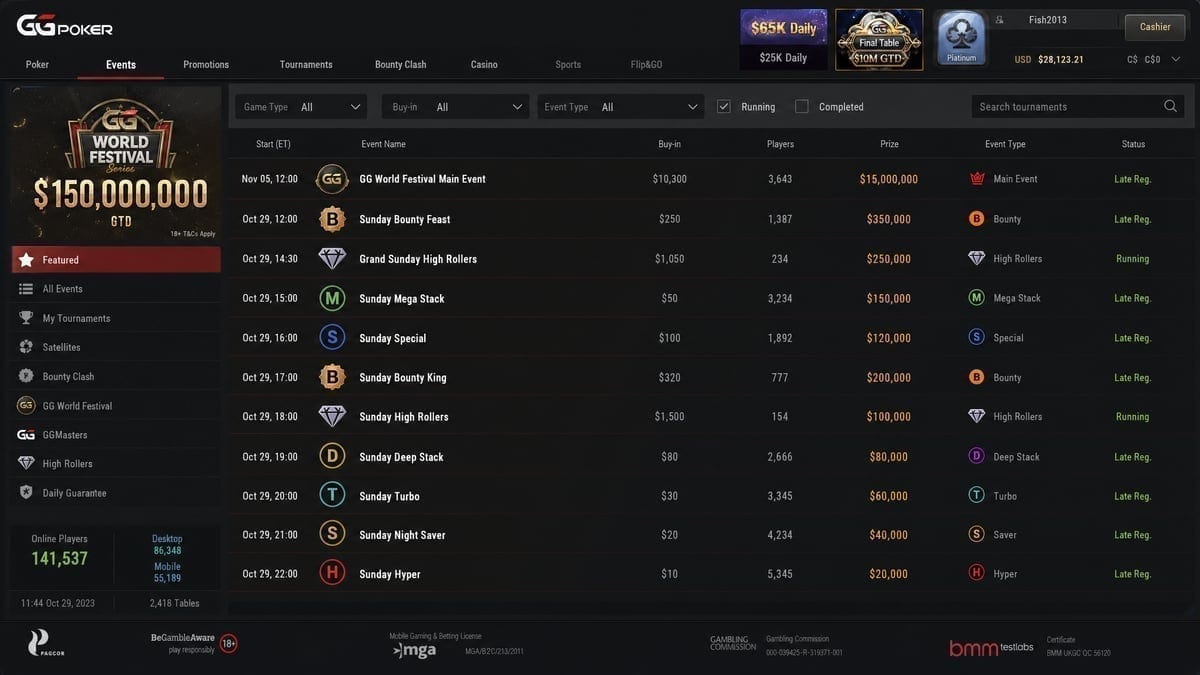
The screenshot showed something I’d never seen before in twenty years covering this industry: 900,000 concurrent players on a single poker site. Not unique visitors. Not monthly actives. Nine hundred thousand human beings, all playing poker at the exact same moment.
(For context, the previous record was somewhere around 600,000 during the pandemic poker boom. And that felt impossible at the time.)
What Nine Hundred Thousand Really Means
Here’s the thing about concurrent players that most people don’t get - it’s not just a vanity metric. When PokerStars hit 400,000 during the Moneymaker days, we thought online poker had peaked. The infrastructure alone to handle that many simultaneous connections was mind-boggling back then.
GGPoker didn’t just break their own record. They obliterated it.
The timing wasn’t accidental either. This explosion happened right as their GG World Festival launched - the one with the frankly ridiculous $300 million guarantee. But even the GGPoker team seemed caught off guard by the sheer scale of what happened Sunday night.
“We knew it would be big,” one of their tournament directors told me (speaking on background because they weren’t authorized to comment publicly yet). “But 900k? Our servers were tested like never before.”
The real story here isn’t just the number though.
The Geography of Growth
Remember when online poker was basically a North American and European game? Those days are ancient history. The heat map of where these 900,000 players were logging in from tells a completely different story.
Brazil. India. The Philippines. Vietnam.
Countries that barely registered on poker sites’ radars a decade ago are now driving the bulk of the traffic. And it’s not just casual players either - the high stakes games are increasingly dominated by usernames I don’t recognize, from countries that weren’t even on the poker map when I started covering this beat.
One grinder I’ve known since the Full Tilt days put it perfectly: “I used to know everyone at my stakes. Now I log on and it’s like visiting a foreign country.”
Why This Record Actually Matters
Let me tell you why this isn’t just another “biggest ever” story that we’ll forget about next week.
First, liquidity. More players means more games running, faster tournaments filling, and - this is the key part - games at every stake level staying active around the clock. Back in 2018, you’d struggle to find certain game types running at odd hours. Now? PLO, short deck, even mixed games have action 24/7.
Second, guarantees. GGPoker can throw around $300 million guarantees because they know the players will show up. Compare that to what’s happening with FanDuel’s Ignite Series right now. When you’ve got 900,000 players in your ecosystem, overlay isn’t really a concern.
But here’s what really gets me excited (and I’ll admit, I’m a poker nerd):
The Innovation Factor
Massive player pools enable experimentation. GGPoker’s been rolling out new game formats at a pace that would’ve been unthinkable even five years ago. Mystery bounties, splash pots, that wild new Rush Hour game format - when you’ve got this many players, you can beta test anything.
I had coffee with Daniel Negreanu last month (yes, I’m name-dropping, deal with it), and he made an interesting point: “The next big innovation in poker won’t come from Vegas. It’ll come from these massive online sites with global reach.”
He might be right. When you can instantly deploy a new format to 900,000 potential players, the feedback loop is incredibly fast. What works rises to the top. What doesn’t gets killed quickly.
The Other Side of the Coin
Not everyone’s celebrating though.
Smaller sites are watching these numbers with a mix of awe and terror. How do you compete when your entire player pool could fit into GGPoker’s waiting list?
“It’s becoming a winner-take-all market,” admitted the CEO of a mid-tier poker site (who definitely didn’t want their name used). “We can’t match their guarantees, their rake races, their promotions. We’re fighting for scraps.”
The segregation of player pools by region doesn’t help either. While GGPoker’s pulling in players from dozens of countries, US operators are stuck behind regulatory walls, watching the party from outside.
Where Do We Go From Here?
I’ve covered some wild moments in poker - Black Friday, the poker boom, the pandemic surge. But 900,000 concurrent players feels different. This isn’t a spike or an anomaly. It’s what happens when poker truly goes global.
The old guard sites that dominated for decades are scrambling to keep up. Regional operators are carving out niches. And GGPoker? They’re apparently just getting started.
“Wait until you see what we’ve got planned for the summer,” that tournament director teased before hanging up.
Based on Sunday night’s numbers, I believe them. The question isn’t whether they’ll break this record again. It’s how soon.
(And whether their servers can handle it when they do.)


