
The poker world woke up to a new reality today. PokerStars, the longtime king of online poker, has officially merged with FanDuel in the US market - and players are anything but united on whether this is good news or a complete disaster.
After months of anticipation and speculation, the new platform went live this week, bringing together player pools across multiple states and introducing completely redesigned software. But if early reactions are any indication, PokerStars might have a PR nightmare on their hands.
Some players are calling it “user-friendly” and “solid.” Others? They’re not holding back, labeling it a massive downgrade from the classic PokerStars client that dominated online poker for nearly two decades. Welcome to the new world of US online poker, where change comes fast and opinions come faster.
The Great Divide
The split in player sentiment started showing up within hours of launch. On one side, you’ve got optimists praising the speed up interface and improved mobile experience. These players see potential in a unified platform that could finally give US online poker the liquidity boost it desperately needs.
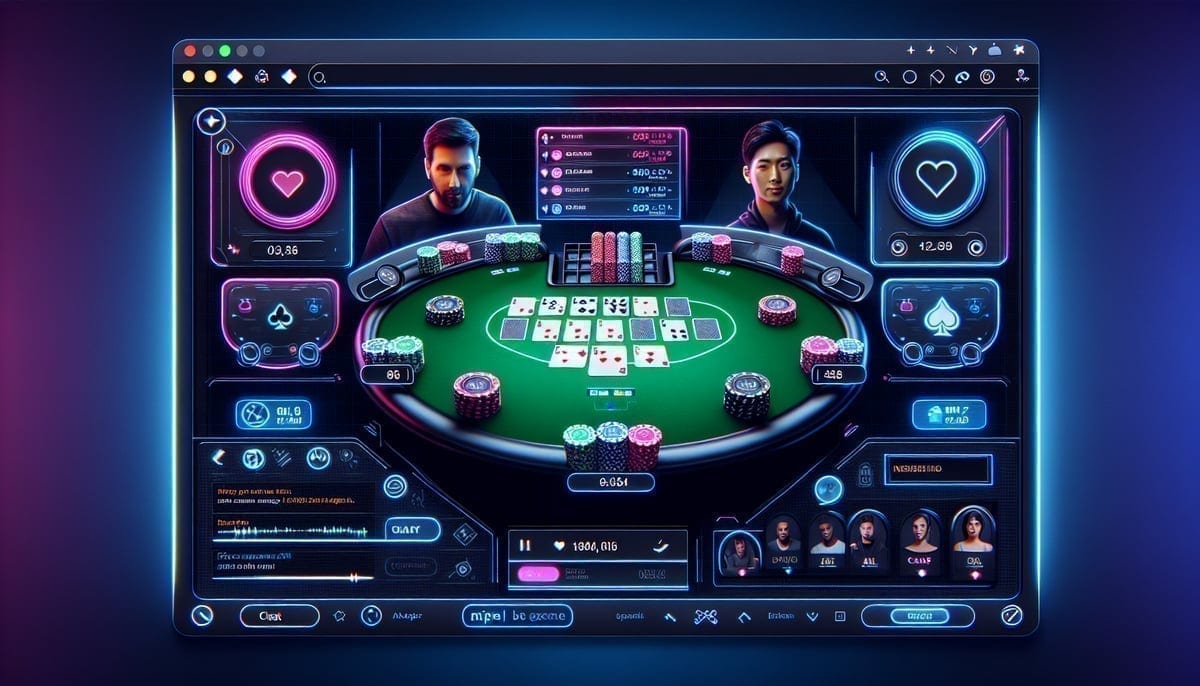
On the flip side? A vocal contingent of grinders who built their careers on the old PokerStars software are watching their familiar home get demolished. They’re pointing out missing features, clunky navigation, and what they see as a dumbed-down experience designed more for casual sports bettors than serious poker players.
And that’s exactly the tension at play here. FanDuel brings massive marketing muscle and access to millions of sports betting customers. But PokerStars built its reputation on catering to serious players who care about things like customizable HUDs, detailed hand histories, and sophisticated multi-tabling options.
What’s Actually Different
Beyond the emotional reactions, there are real, tangible changes that players are grappling with. The new software sports a completely different look - gone is the classic PokerStars aesthetic that players have known for 20 years. In its place? A sleeker, more modern interface that looks like it was designed by the same team that builds sports betting apps.
Because it probably was.
Multi-tabling functionality has been simplified, which is code for “limited” if you ask the grinders. The lobby has been reorganized with a focus on quick-start options and recreational-friendly formats. Tournament structures remain largely intact, but the way you navigate to them has completely changed.
Hand histories are still available, but accessing them requires jumping through new hoops. Custom table themes? Reduced. Preferred seating? Modified. These might sound like minor gripes to casual players, but for someone grinding 8-10 tables for a living, every extra click matters.
What Players Are Actually Saying
The Discord channels and poker forums are on fire with hot takes. Matt Carney tweeted that the software feels like “a step backward for serious players,” while another user called atarirobby was more diplomatic, suggesting the platform has potential but needs work.

One particularly frustrated player wrote: “This isn’t PokerStars anymore. It’s FanDuel with poker tacked on.” Harsh? Maybe. But it captures the fear many regulars have - that poker is becoming an afterthought in the sports betting gold rush.
Not everyone’s complaining though. PokerJermz posted that the new platform runs smoothly on mobile and praised the simplified deposit process. ABC Poker pointed out that faster player pool growth could mean softer games and bigger prize pools.
These aren’t just random opinions. They represent the fundamental divide in modern poker between serving existing players and attracting new ones.
The Bigger Picture
This merger wasn’t just about software - it’s about survival in the fractured US online poker market. Individual state player pools have struggled with liquidity since Black Friday killed the nationwide market in 2011. Pennsylvania players could only play other Pennsylvanians. Same story in Michigan, New Jersey, and other regulated states.
By leveraging FanDuel’s existing infrastructure and regulatory approvals, PokerStars can now link these pools together more efficiently. That means bigger tournaments, more cash game selection, and theoretically, a healthier ecosystem for everyone.
But there’s a cost. And that cost might be the very features and functionality that made PokerStars the preferred platform for serious players worldwide.
FanDuel’s expertise lies in creating frictionless experiences for recreational gamblers. Quick deposits, easy navigation, and mobile-first design. These are great for attracting new players who might throw $50 at poker after betting on the NFL. They’re less great for someone trying to 16-table $1/$2 while tracking stats across 100,000 hands.
What Comes Next
History shows that major software transitions in poker rarely go smoothly. Remember when PokerStars updated their client in 2016? The forums exploded then too. Full Tilt’s various software disasters? Legendary for all the wrong reasons.
But here’s the thing - players adapt. They always have. The question is whether PokerStars and FanDuel will listen to feedback and iterate, or whether they’re committed to this vision regardless of what the existing player base wants.
Early signs suggest they’re at least paying attention. The official PokerStars US Twitter account has been actively responding to complaints and noting suggestions. That’s more engagement than we’ve seen from some operators who shall remain nameless.
The real test will come over the next few months. Will the simplified software attract enough recreational players to offset the grinders who rage-quit? Can FanDuel’s marketing machine create a new poker boom, or will this be remembered as the moment PokerStars lost its soul?
The Verdict (For Now)
Calling this launch “mixed” might be the understatement of the year. It’s more like a full-scale civil war in the poker community. And honestly? Both sides have valid points.
If you’re a recreational player who wants to fire up some poker after watching the game, this new platform probably works great. It’s clean, it’s simple, and it integrates seamlessly with your existing FanDuel account. The barrier to entry for new players just got a lot lower.
But if you’re a pro who’s spent years perfecting your 24-table setup with color-coded notes and custom hotkeys? Yeah, you’re probably shopping for a new site right about now. Maybe it’s time to check out what GGPoker or even CoinPoker have to offer.
The poker ecosystem needs both recreational players and professionals to thrive. Finding that balance has always been the challenge. This new PokerStars x FanDuel platform represents a clear bet on which side they think matters more for the future.
Whether that bet pays off? Ask me in six months when the dust settles and we see if those player pools actually grew or if the regs all moved to BetRivers and the regional sites. Because right now, it’s too early to call this either a brilliant move or a historic blunder.
One thing’s for sure - US online poker just got a lot more interesting.


