
PartyPoker is making a significant statement about its commitment to live poker in Europe with the announcement that its PartyPoker Tour will double in size for 2026, expanding from five stops to an ambitious 10-event schedule that includes four new venues in Spain. The latest addition to the tour, Castellón, Spain, scheduled for October, represents the operator’s aggressive push into the Mediterranean poker market.
The expansion marks a major milestone for the tour, which launched in 2025 with five UK-based stops. By adding four Spanish venues to its existing six UK locations, PartyPoker is positioning itself as a serious competitor in the European live poker tournament circuit, challenging established tours like the European Poker Tour and regional series.
Geographic Footprint Expands
The 2026 PartyPoker Tour schedule represents a carefully planned expansion strategy that takes advantage of both established poker markets and emerging destinations. The UK continues to anchor the tour with six stops, building on the success of the inaugural season that drew strong fields across venues in London, Manchester, Birmingham, Nottingham, Newcastle, and Edinburgh.
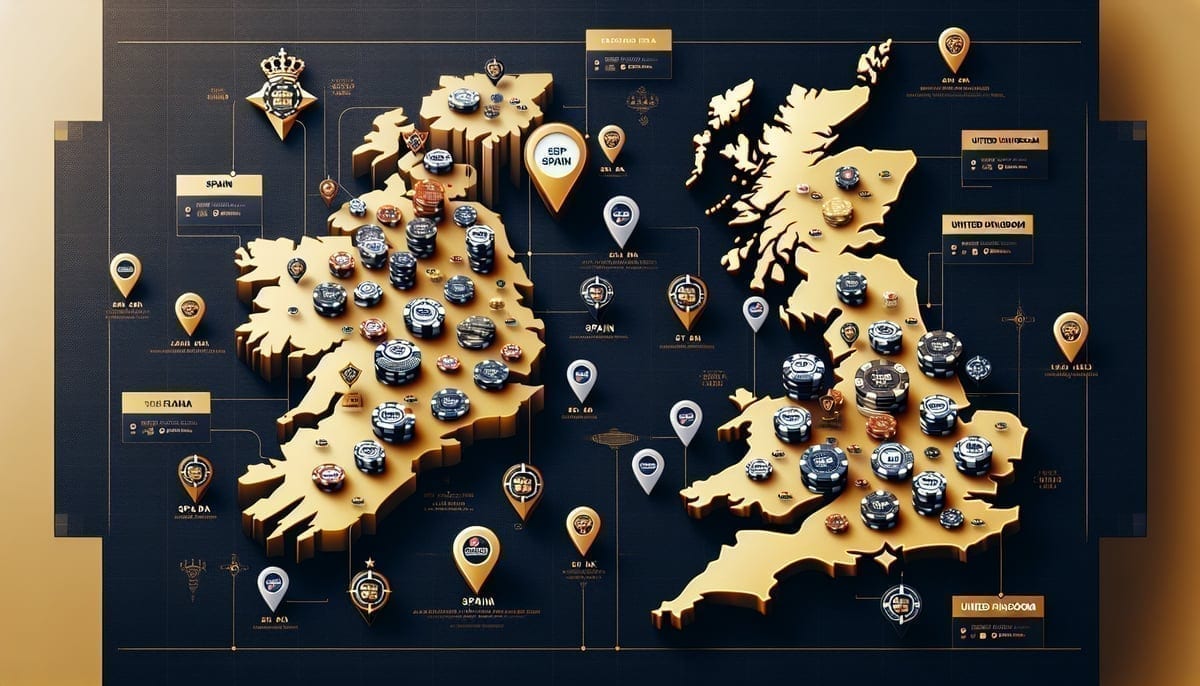
Spain’s addition to the tour brings four new destinations into play, with Castellón joining three other yet-to-be-announced Spanish cities. The October timing for the Castellón stop suggests PartyPoker is targeting the post-summer period when European players are actively seeking tournament opportunities after the busy festival season.
Spanish Market Opportunity
Spain has emerged as one of Europe’s hottest poker destinations in recent years, with Barcelona hosting major international tournaments and regional tours finding success in cities like Madrid, Valencia, and Seville. The country’s combination of favorable gaming regulations, tourist appeal, and growing local player base makes it an attractive expansion target for international operators.
“The Spanish poker market has shown tremendous growth potential,” says industry analyst Maria Rodriguez. “Players appreciate the combination of competitive tournaments and vacation-friendly destinations. PartyPoker’s timing couldn’t be better.”
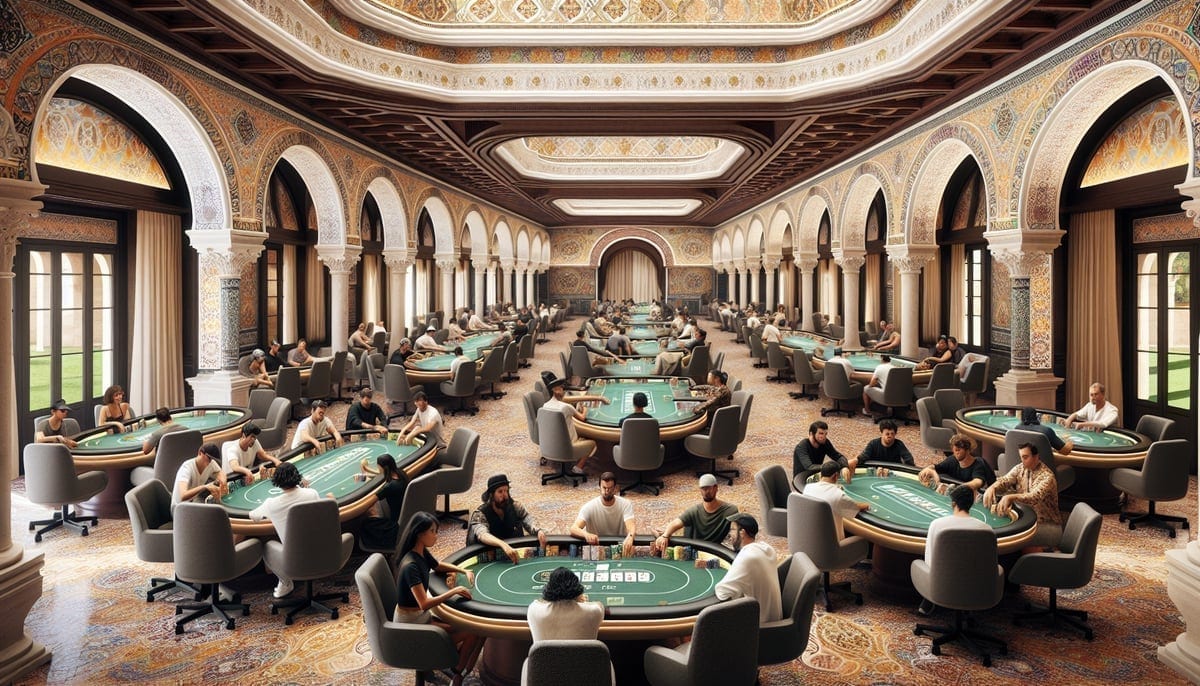
The Castellón announcement is particularly interesting given the city’s location on Spain’s eastern coast, approximately 70 kilometers north of Valencia. This positions it as an alternative to the heavily trafficked Barcelona poker scene while still offering Mediterranean appeal and easy accessibility from major European cities.
Building on UK Success
The decision to maintain and slightly expand the UK portion of the tour (from five to six stops) indicates strong performance metrics from the 2025 inaugural season. UK poker has experienced a renaissance in recent years, with regional tours finding success by offering affordable buy-ins and substantial guarantees that attract both recreational players and professionals.
PartyPoker’s UK stops have reportedly averaged field sizes of 400-600 entries for main events, with total series attendance exceeding initial projections. The addition of a sixth UK stop for 2026 suggests the operator sees room for growth even in this mature market.
Competition Heats Up
The PartyPoker Tour expansion comes at a time when live poker tours are proliferating across Europe. 888poker recently announced its Glasgow series with a £500,000 guarantee, while established tours continue to dominate the high-roller segment. PartyPoker’s strategy appears focused on the middle market, offering substantial guarantees without the intimidating buy-ins of super high-roller events.
The tour’s growth also reflects broader trends in European poker, where operators are increasingly looking beyond traditional hubs like London and Barcelona to tap into regional markets. This distributed approach allows tours to build local player loyalty while reducing venue costs compared to premium locations.
Format and Structure Evolution
While specific details about the 2026 tour structure remain under wraps, industry sources suggest PartyPoker is planning several innovations to differentiate its offering. These may include:
- Unified Player of the Year race across all 10 stops with significant added prizes
- Online satellite programs feeding into each live stop
- Regional leaderboards for UK and Spanish players
- Cross-promotional events linking online and live play
The tour’s expansion also provides opportunities for PartyPoker to test new tournament formats and structures that could eventually be rolled out across its broader ecosystem. The Spanish stops, in particular, may feature formats popular in the local market, such as longer late registration periods and multiple Day 1 flights.
Strategic Implications
PartyPoker’s aggressive expansion signals confidence in the European live poker market despite broader economic uncertainties. The investment required to double a tour’s footprint – including venue partnerships, staffing, marketing, and logistics – suggests the operator sees significant long-term value in building its live poker presence.
The move also positions PartyPoker to capture market share from players who might otherwise gravitate toward competitor tours. By offering more stops and geographic diversity, the tour can appeal to players who prioritize convenience and variety in their tournament schedules.
Looking Ahead
As the 2026 PartyPoker Tour takes shape, several key factors will determine its success. The Spanish stops will need to attract international players while building local followings, a balance that requires careful scheduling and marketing. The UK events must continue to grow despite increased competition from other operators eyeing the market.
The announcement of three additional Spanish venues beyond Castellón will be closely watched by the poker community. Cities like Seville, Málaga, and Bilbao have all hosted successful poker events in recent years and could provide attractive options for the expanding tour. With online poker regulation continuing to evolve across Europe, PartyPoker’s investment in live events demonstrates a multi-channel approach to market growth that could serve as a model for other operators looking to strengthen their European presence.


