
The Platform Nobody Expected
GiddyUp went live yesterday morning. Not with fanfare or celebrity endorsements or countdown timers. Just a quiet email to beta testers saying the platform was open for real money play across 17 states.
The Dublin rain hammering my window as I write this feels appropriate somehow. Alternative gaming platforms launching into the US market tend to arrive with either tremendous noise or complete silence before vanishing. GiddyUp chose the middle path – functional, understated, deliberately different.
What caught my attention wasn’t the launch itself. It was the states they chose. Not the usual suspects of Nevada, New Jersey, and Pennsylvania. Instead, they’re targeting what you might call America’s forgotten gaming markets. Places where poker rooms closed years ago and never reopened.
Why This Matters More Than It Should
The platform offers poker variants, yes, but buried among casino games and something they’re calling “social tournaments” – whatever those might be. The real story here is timing.
We’re watching established operators consolidate. PokerStars merging with FanDuel. BetMGM swallowing up smaller networks. And into this increasingly narrow field drops GiddyUp, positioning itself as the alternative nobody asked for but might actually need.
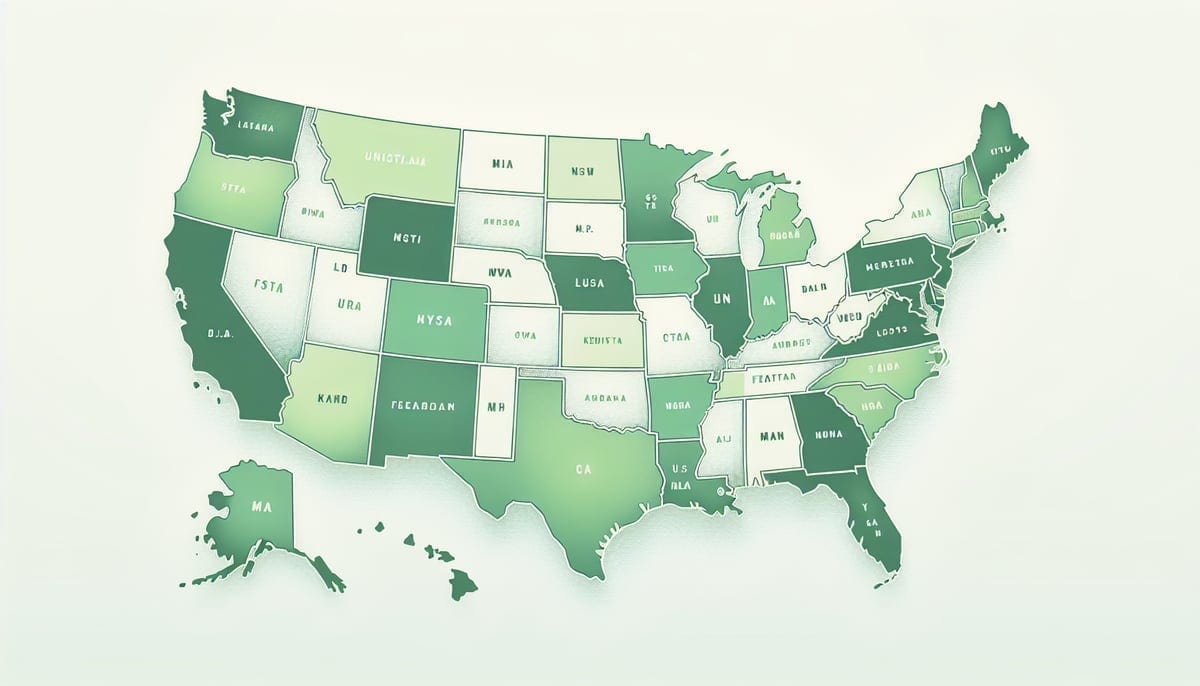
Their state selection reads like a tour of America’s regulatory gray areas. States where sweepstakes poker thrives because real money options remain limited. States where daily fantasy sports operators have been testing the boundaries for years. States where, frankly, nobody’s been paying much attention to online gaming legislation because there hasn’t been much to pay attention to.
Seventeen states sounds impressive until you realize it includes places like Wyoming (population: 581,000) and Vermont (population: 647,000). Combined, their entire target market might equal New Jersey on a slow Tuesday.
The Counter-Argument Has Merit
Critics will point out the obvious: another platform fragmenting an already fractured market helps nobody. Player liquidity matters. Tournament fields matter. Having enough cash game tables running matters.
They’re not wrong.
GiddyUp’s poker offerings look thin. Three variants of Hold’em, some Omaha tables, and what they generously call a “tournament schedule” that consists of four daily events with guarantees that wouldn’t cover a decent dinner in Monte Carlo. If you’re used to the deep player pools of GGPoker or even regional operators like BetRivers, this will feel like playing in someone’s garage.
The technology seems dated too. No mobile app yet – just a browser-based platform that looks designed in 2018. No innovative features. No shot clocks or rabbit hunting or any of the bells and whistles modern players expect.
But Here’s What Everyone’s Missing
I spent three hours on GiddyUp yesterday. Not because the games were good (they weren’t) or because the software impressed me (it didn’t). I stayed because I recognized something in those empty lobbies and basic interfaces.
This is what online poker looked like in 2004.
Remember when finding a game meant actually waiting for players? When a 50-person tournament field felt substantial? When nobody complained about missing features because we didn’t know what we were missing?
GiddyUp isn’t competing with PokerStars or GGPoker. They’re building something for players who don’t have access to those platforms. Players in South Dakota or Arkansas or Alaska who’ve been shut out of the real money ecosystem entirely.
The ace up their sleeve might be regulatory. By launching in states others have ignored, they’re establishing footholds in markets that could explode if federal legislation ever materializes. It’s a long game, granted. But sometimes the long game is the only game worth playing.
Their business model suggests patience too. No massive welcome bonuses. No celebrity ambassadors. Just 20% rakeback for everyone and a promise to add features “as the community grows.” It’s almost refreshingly honest.
Where This Actually Leads
Sitting here watching the rain streak down glass, I’m reminded of something an old tournament director in Cork once told me: “Every poker room starts with empty tables.”
GiddyUp has empty tables. What they do with them over the next year will determine whether this launch becomes a footnote or a foundation. The smart money says footnote. Alternative platforms rarely survive in this consolidated market.
But.
There’s always a but in poker, isn’t there?
If they can build sustainable player pools in underserved markets, if they can resist the temptation to overpromise and underdeliver, if they can somehow create genuine liquidity in states everyone else has written off – well, stranger things have happened in this industry.
For now, GiddyUp remains what it was yesterday morning: a platform that exists. Nothing more, nothing less. In 17 states across America, that might just be enough.


