
The rain hasn’t stopped in Dublin for three days, which gives me plenty of time to dig into GiddyUp Gaming’s peculiar trajectory. While everyone else scrambles to add features, they’re stripping them away - and somehow pulling 17,000 players into their weekly tournaments.
GiddyUp Gaming now operates free-to-play tournaments across 17 US states, abandoning their cash game offerings entirely last month. The platform reports average fields of 17,000 players per week across their tournament schedule, with prize pools funded through advertising revenue and optional cosmetic purchases.
The Numbers Tell a Story
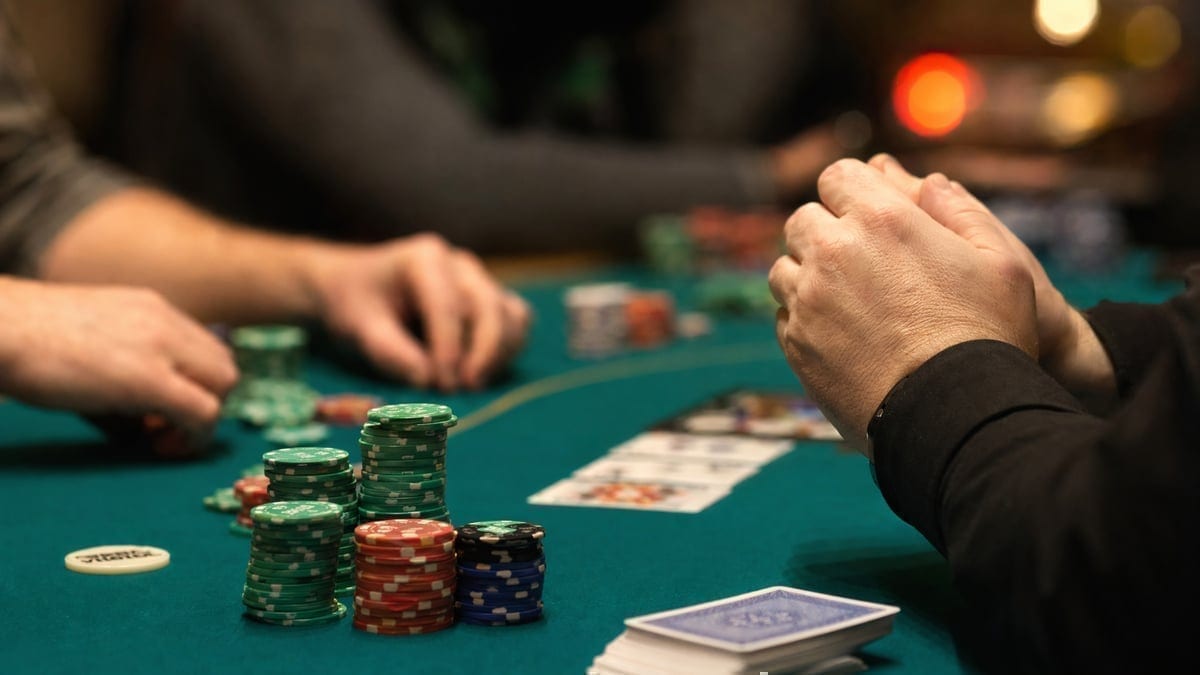
Free entry. Real money prizes. No cash games whatsoever.
It reads like a business plan written on a bar napkin after too many pints. Yet the player counts suggest something’s working. Their flagship Sunday tournament regularly attracts 8,000 entries, with total weekly prizes hovering around $50,000.
The model skirts traditional poker regulations by removing direct buy-ins. Players watch advertisements between levels or purchase avatar upgrades, while GiddyUp converts that revenue into tournament prizes. States that ban real-money online poker suddenly become viable markets.
“We’re seeing players from Alabama, Georgia, South Carolina - places that never had legal options before,” a GiddyUp spokesperson explained via email. They declined to share specific revenue figures.
What Players Actually Experience
I spent an evening clicking through their interface from my hotel room near Temple Bar. The tournaments run continuously - new ones starting every 15 minutes. Structures favor quick play over deep strategy. Most events wrap within two hours.
The software feels dated compared to PokerStars on FanDuel or GGPoker’s sleek interface. But then again, you’re not paying anything to play.
Chat boxes stay surprisingly active. Players from poker-starved states seem genuinely excited to have any option at all. One regular from Wyoming told me he’d been waiting “since 2011” for legal online poker. This wasn’t quite what he’d imagined, but he’ll take it.
The Catch Nobody Mentions
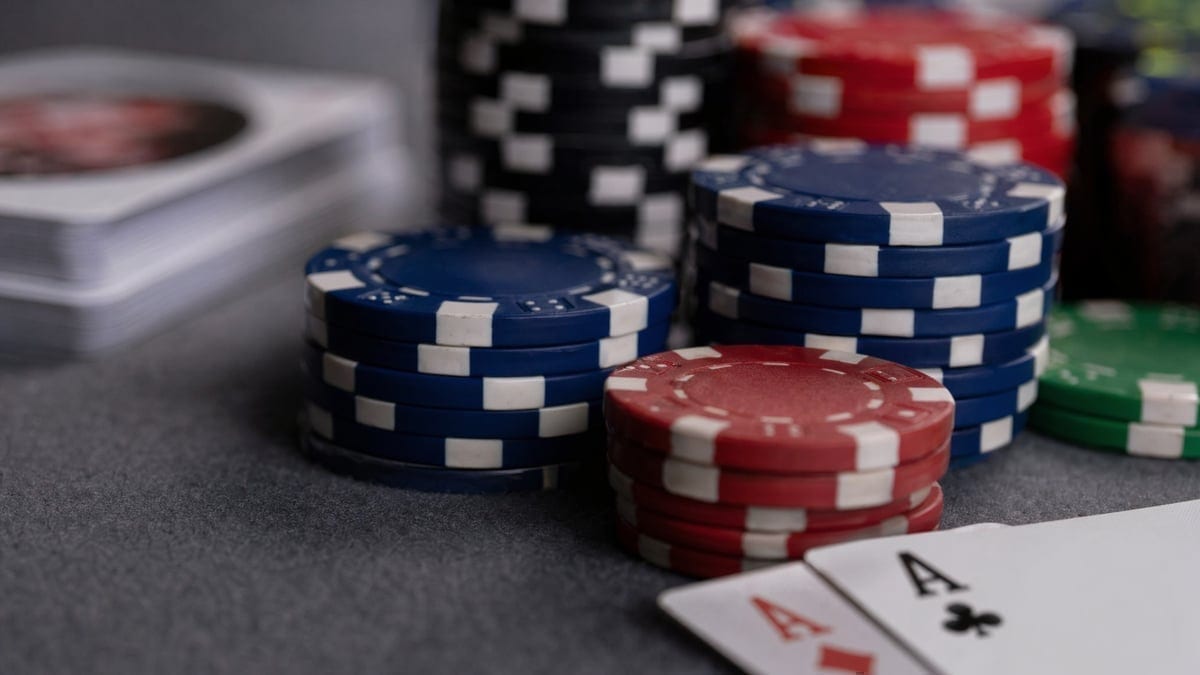
Free tournaments with real prizes sound perfect until you do the math.
Those 17,000 weekly players compete for $50,000. Divide it out - that’s less than $3 per person if distributed evenly. Of course it’s not distributed evenly. Tournament poker never is. The top 10% of finishers collect most of the money, leaving crumbs for everyone else.
And the time investment? Six hours of tournaments might net you $20 if you run well. Minimum wage varies by state, but nowhere is it that low.
Some players treat it as entertainment rather than income. Others grind volume, playing 30-40 tournaments weekly to eke out profit. The platform’s leaderboard shows the same names dominating week after week.
Where This Experiment Leads
GiddyUp’s model resembles the old poker boom days of freerolls on PartyPoker, except scaled up and legitimized. They’ve proven demand exists in restricted states. Whether they can convert that demand into sustainable revenue remains the question.
Competitors watch closely. Stake.us and Clubs Poker operate sweepstakes models that feel more like traditional poker. If GiddyUp’s approach gains traction, expect copycats.
For now, 17,000 players weekly suggest there’s appetite for any form of online poker in restricted states. Even if it means watching ads between hands. Even if the hourly rate would make a coffee shop barista wince.
The Dublin rain finally stopped this morning. Giddyup’s tournaments keep running.


